
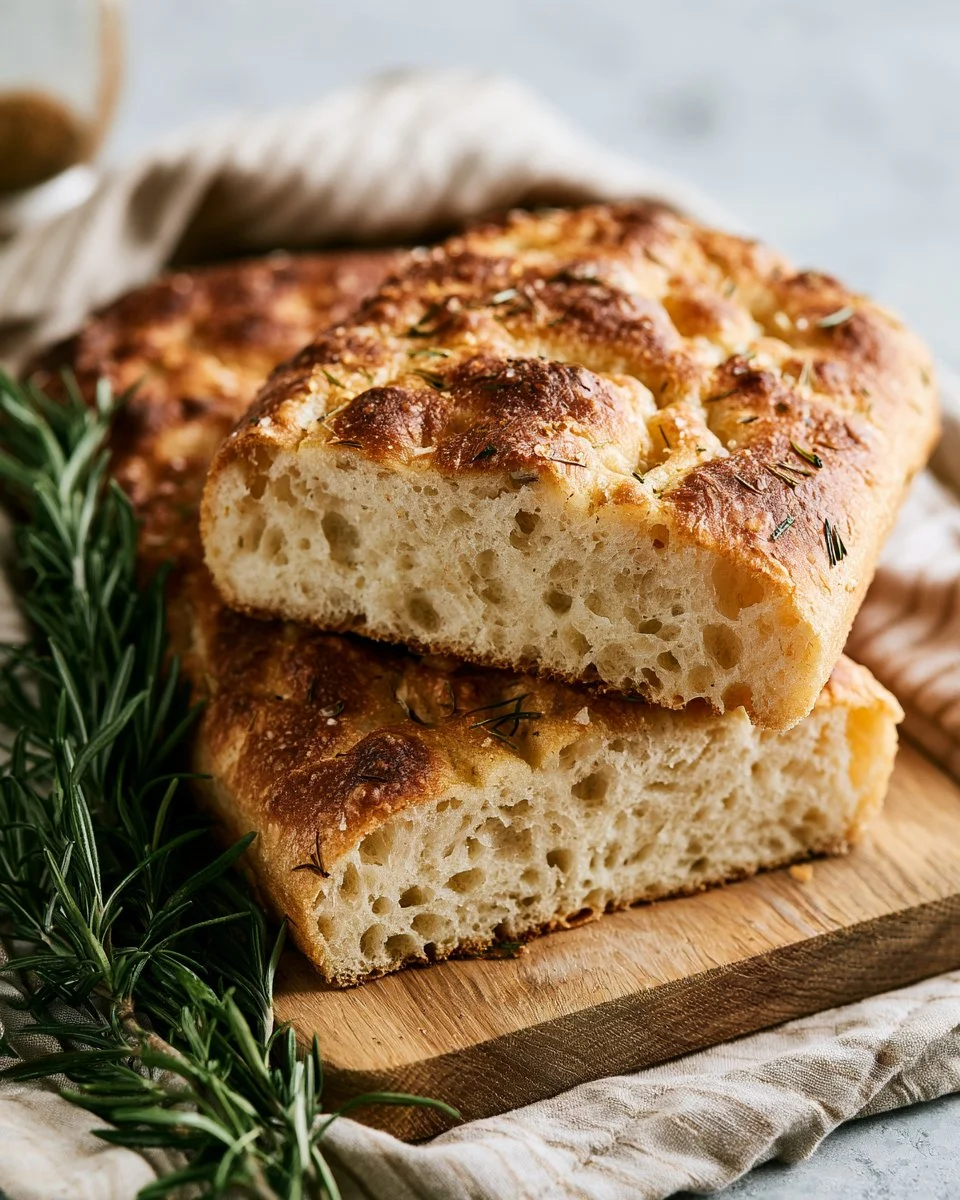
Imagine pulling a tray of warm, golden-brown focaccia out of the oven, its surface glistening with olive oil and speckled with fresh rosemary and flaky sea salt. As you cut into it, the rich, airy texture begs to be torn apart, revealing the soft, pillowy crumb inside. This rustic bread, perfect for any occasion, offers a simple yet profound pleasure, whether enjoyed as an appetizer, a side to your main course, or even as a delightful snack on its own. Sourdough focaccia is not just bread; it’s an experience that will uplift your meals and impress your guests. With its robust flavor and satisfying chew, each bite is a celebration of the art of baking. Moreover, making focaccia with sourdough starter elevates this classic dish into a realm of deliciousness that’s hard to resist. Packed with flavor and the perfect balance of crispy and chewy, this recipe is destined to become a beloved go-to for gatherings, family dinners, or a cozy night in.
Why You’ll Love This Recipe
This sourdough focaccia recipe is incredibly easy to follow, making it accessible to bakers of all skill levels. The combination of the active sourdough starter and simple ingredients yields a bread that’s not only delicious but also healthy. It provides a wonderful source of fermentation, resulting in enhanced flavor and digestibility. What’s more, the flexibility of the dough allows for endless customization with toppings like herbs, olives, or tomatoes, perfect for expressing your culinary creativity. Imagine serving warm slices drizzled with olive oil paired with balsamic vinegar—it truly embodies comfort food at its finest. Whether preparing a quick family meal or planning an elegant dinner, this focaccia will elevate your dining experience, making it a recipe worth cherishing for years to come.
What Makes This Recipe Special
The magic of sourdough focaccia lies in the use of an active sourdough starter, imbuing the bread with a depth of flavor that commercial yeast simply can’t replicate. This fermentation process creates a light and airy texture while providing a slight tang that complements its rich, olive oil base perfectly. The method includes a period of autolyse, which helps develop the gluten structure and results in a beautifully textured crumb. Plus, the simple folding technique yields that characteristic focaccia dimple, allowing for a delightful crust and chewy interior. By including fresh herbs or other flavorings, you can tailor this bread to fit any meal or occasion, making it a versatile addition to your homemade recipes. With its intriguing texture and comforting aroma, sourdough focaccia is sure to impress any bread lover, making it a staple in your baking repertoire.
Ingredients
active sourdough starter: Provides the leavening and unique sour flavor that characterizes the bread.
warm water: Helps activate the sourdough starter and hydrates the flour for the perfect dough.
all-purpose flour: The primary ingredient that gives structure and body to the focaccia.
fine sea salt: Enhances the flavor of the bread and strengthens the dough.
extra-virgin olive oil: Adds richness and moisture while contributing to the crispy crust.
fresh rosemary leaves: Optional herb that imparts a fragrant, earthy note to the bread.
flaky sea salt: For sprinkling on top, adds a delightful crunch and flavor contrast.
How to Make Sourdough Focaccia
STEP 1. Combine the ingredients. In a large bowl, mix the active sourdough starter, warm water, all-purpose flour, and fine sea salt until no dry flour remains.
STEP 2. Rest the dough. Cover the bowl and let the mixture rest for 30 minutes to allow the flour to hydrate.
STEP 3. Add olive oil. Drizzle extra-virgin olive oil into the dough and gently fold to incorporate it with clean hands.
STEP 4. Let it rise. Cover the bowl and let the dough rise at room temperature until doubled in size, which takes about 3-4 hours.
STEP 5. Stretch and fold. If desired, perform one set of stretch-and-folds halfway through the rise for better gluten development.
STEP 6. Prepare the baking pan. Lightly coat a 9×13-inch baking pan with extra-virgin olive oil.
STEP 7. Transfer the dough. Move the risen dough to the pan and gently press it to fill the pan evenly.
STEP 8. Second rise. Allow the dough to rest and rise again for about 1 hour until it becomes puffy.
STEP 9. Create dimples. Using oiled fingertips, gently press into the dough to create dimples all over.
STEP 10. Season the top. Drizzle olive oil on top and, if using, sprinkle with fresh rosemary leaves and flaky sea salt.
STEP 11. Preheat the oven. Set your oven to 425°F to prepare for baking.
STEP 12. Bake the focaccia. Bake for 20-30 minutes until the top is golden brown and the edges are crisp.
STEP 13. Cool before slicing. Remove the focaccia from the oven and let it cool on a wire rack for at least 10 minutes before cutting into slices.
Pro Tips
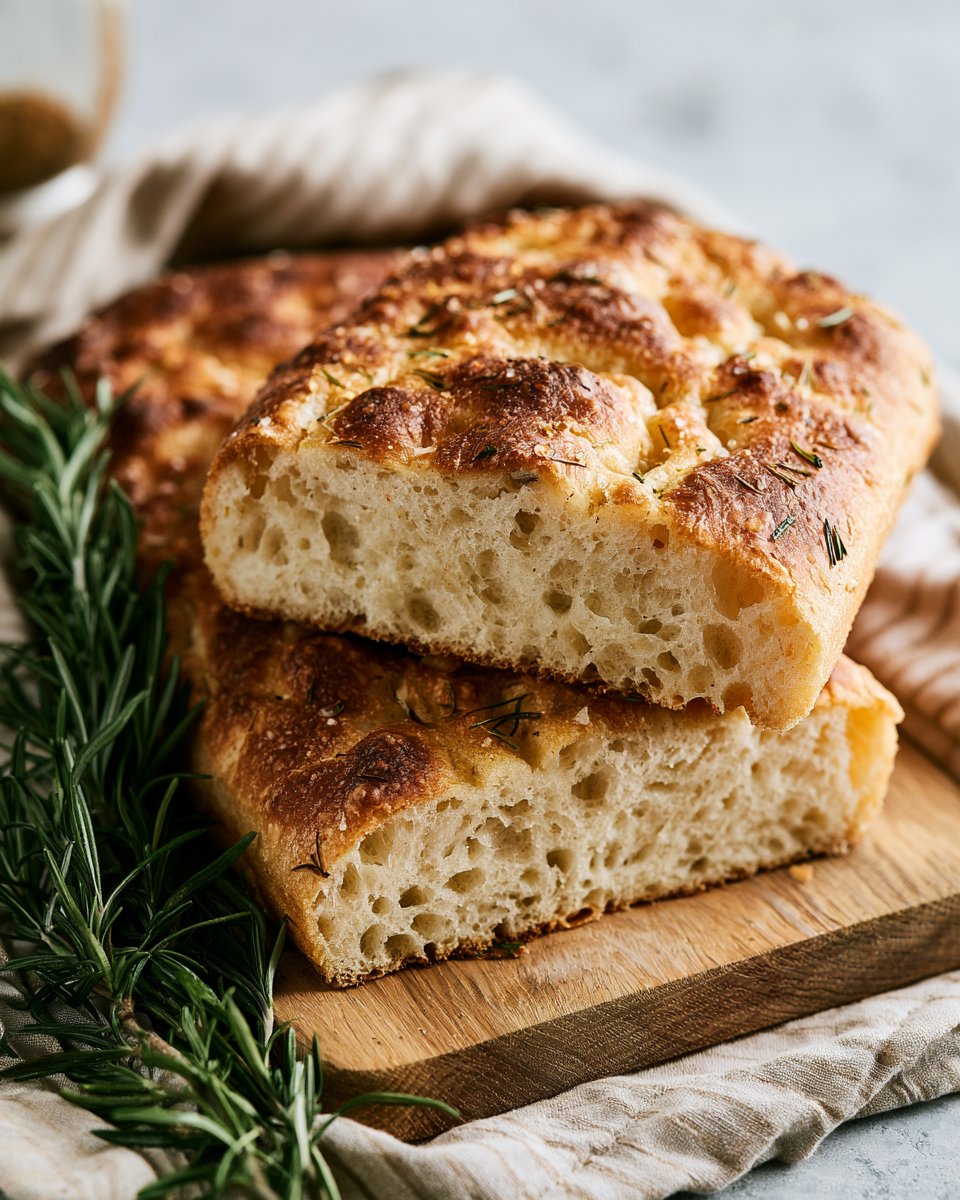
To achieve the best results, ensure your sourdough starter is active and bubbly before using. This is key to a successful rise and flavor. Timing is also crucial; the dough should be allowed enough time to rise, ensuring it is light despite the dense appearance at first. If you can, perform the stretch-and-fold technique halfway through the initial rise, which helps improve the dough’s strength and texture. Always use warm water, as cold water can hinder the fermentation process. For a more artisan touch, experiment with toppings such as sun-dried tomatoes, olives, or garlic—these will not only enhance the flavor but also add to the visual appeal. Finally, consistency in your baking temperature is essential; consider using a baking stone for added heat retention and better crust formation.
Common Mistakes to Avoid
Many bakers struggle with the activity level of their sourdough starter, which can result in dense bread. Make sure your starter is well-fed and bubbly before beginning. Not allowing the dough to rise adequately can lead to a heavy and flat loaf, so patience is important. Overproofing the dough may also become problematic and lead to collapse during baking, so keep an eye on its progress. While pressing dimples into the dough, be gentle to avoid deflating it completely. Lastly, remember to preheat the oven thoroughly; baking in a cold oven can lead to inconsistent baking results and a less than perfect crust. Don’t rush the cooling process either; cutting too soon can yield gummy slices instead of the desired airy texture.
Variations
• Top with sliced cherry tomatoes and fresh basil for a Mediterranean twist.
• Add olives and za’atar spice for an Eastern Mediterranean flair.
• Incorporate grated cheese for a rich and savory flavor.
• Experiment with different herbs like thyme or oregano.
Serving Ideas
Sourdough focaccia is incredibly versatile and can be served in various ways. Pair it with a bowl of savory dips such as hummus or tzatziki for a perfect appetizer. It makes a delightful accompaniment to soups and salads, adding texture and flavor to your meal. For a more substantial option, toast slices in a skillet with a bit of olive oil for an amazing crunch before layering with your favorite sandwich fillings. You can even cube the focaccia to use as a base for a hearty bread salad, maximizing its deliciousness.
Meal Prep & Storage
For optimal freshness, it’s best to consume sourdough focaccia on the same day it’s baked. However, you can store leftovers in an airtight container at room temperature for up to two days. If you want to keep it fresh for longer, consider freezing individual slices wrapped in plastic wrap and placed in a freezer bag. When you’re ready to enjoy, simply reheat in the oven at 350°F until warmed through, ensuring that the crust regains its crispness. This method allows you to enjoy the freshly baked flavor even after freezing—an excellent option for meal prep or quick snacks.
FAQs
How do I know if my sourdough starter is active?
Your starter should be bubbly and have doubled in size after being fed, typically within 4-6 hours, indicating it’s ready for baking.
Can I use all-purpose flour instead of bread flour?
Yes, all-purpose flour works well for this recipe; however, bread flour can provide a slightly chewier texture.
What if my dough isn’t rising?
Ensure your kitchen is warm enough, and consider switching to a different location or using a proofing box if needed. Cold temperatures can significantly slow down the fermentation process.
Can I add toppings before baking?
Definitely! Feel free to add toppings like herbs or garlic before baking to infuse your focaccia with additional flavors.
What is the best way to reheat focaccia?
For the best results, reheat focaccia in the oven at around 350°F for about 10 minutes, leaving the crust crispy while warming the inside.
Conclusion
Creating wonderful homemade bread, like sourdough focaccia, doesn’t have to be daunting. This simple recipe harnesses the power of your sourdough starter, resulting in a deliciously satisfying bread that’s perfect for all occasions. With a golden, crusty exterior and a soft, airy center, it will undoubtedly become a staple in your kitchen—one that you’ll want to make time and time again. Experience the joy of fresh-baked bread and discover how this exquisite focaccia can enhance your meals today!
Sourdough Focaccia
Ingredients
Main ingredients
- 1 cup active sourdough starter Provides the leavening and unique sour flavor.
- 1 cup warm water Helps activate the sourdough starter.
- 4 cups all-purpose flour Gives structure and body to the focaccia.
- 2 teaspoons fine sea salt Enhances flavor and strengthens the dough.
- 1/3 cup extra-virgin olive oil Adds richness and moisture.
Toppings
- 2 tablespoons fresh rosemary leaves Optional; adds an earthy note.
- 1 teaspoon flaky sea salt For sprinkling on top.
Instructions
Preparation
- In a large bowl, mix the active sourdough starter, warm water, all-purpose flour, and fine sea salt until no dry flour remains.
- Cover the bowl and let the mixture rest for 30 minutes.
- Drizzle extra-virgin olive oil into the dough and gently fold to incorporate it.
- Cover the bowl and let the dough rise at room temperature until doubled in size, about 3-4 hours.
- Perform one set of stretch-and-folds halfway through the rise for better gluten development (optional).
Baking
- Lightly coat a 9×13-inch baking pan with extra-virgin olive oil.
- Transfer the risen dough to the pan and gently press it to fill the pan evenly.
- Allow the dough to rest and rise again for about 1 hour until it becomes puffy.
- Using oiled fingertips, gently press into the dough to create dimples all over.
- Drizzle olive oil on top and sprinkle with fresh rosemary leaves and flaky sea salt.
- Preheat the oven to 425°F.
- Bake for 20-30 minutes until the top is golden brown and the edges are crisp.
- Remove from the oven and let it cool on a wire rack for at least 10 minutes before slicing.