
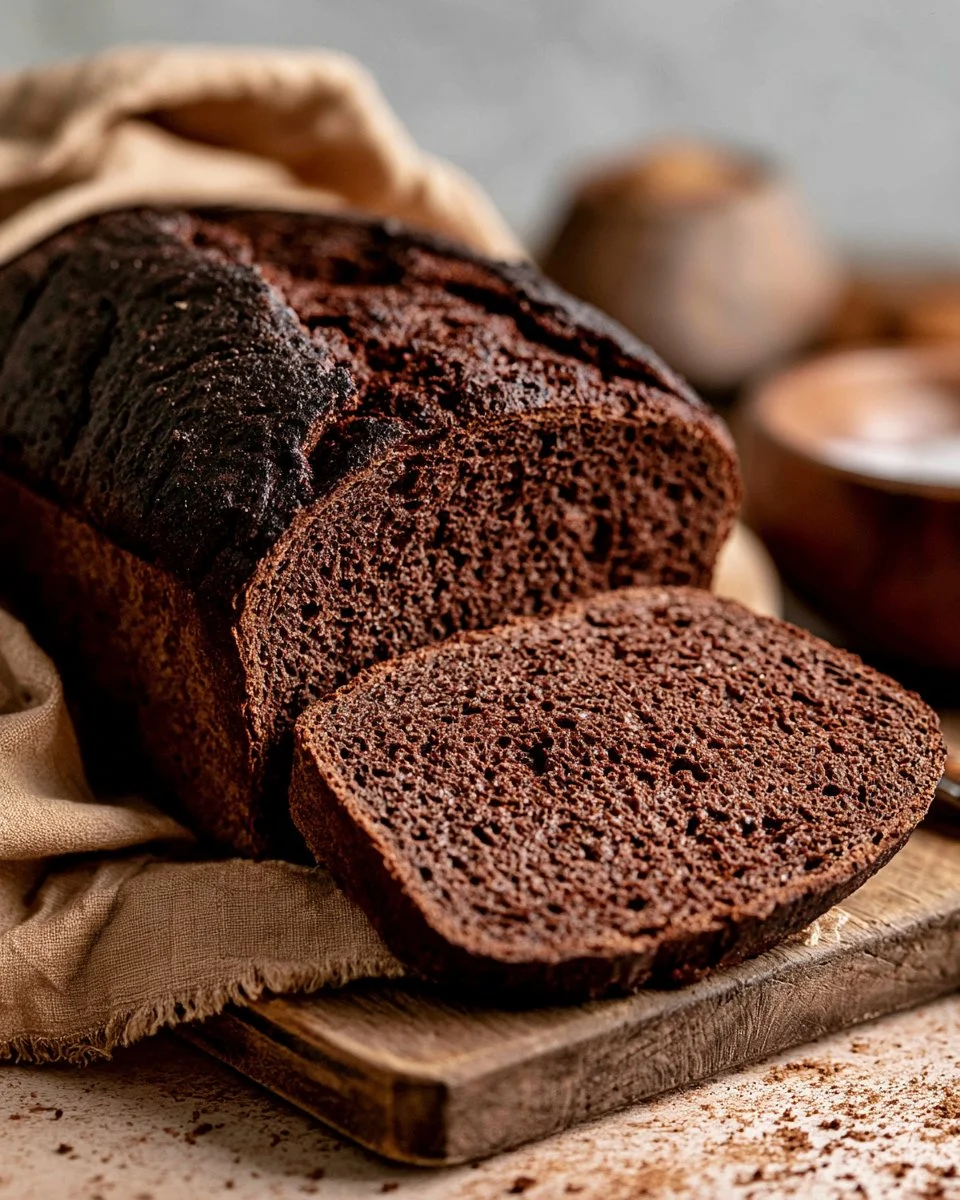
Imagine a warm, rustic loaf emerging from your kitchen, filling the air with a tantalizing aroma that hints at its rich, earthy flavors. Pumpernickel bread is more than a mere accompaniment; it’s an experience that transports you to a cozy café or a family dinner table adorned with hearty dishes. Its deep, dark color and dense texture invite you to savor each bite while the subtle sweetness and slight tang captivate your taste buds. Whether you enjoy it toasted with butter, topped with cream cheese, or paired with savory soups, this bread is a delightful addition to any meal. Home baking has never been so rewarding, as you bring the warm, comforting embrace of freshly baked bread into your home. Get ready to impress family and friends with this delightful recipe that channels tradition and wholesome ingredients into every slice.
Why You’ll Love This Recipe
This recipe stands out not just for its unique flavor but also for its versatility. Pumpernickel bread packs an unexpected punch, offering depth and richness from a blend of rye, whole wheat, and cocoa. It’s the ideal bread for healthy meal prep, as it stays fresh for an extended period, making it a perfect choice for quick family meals and easy dinner ideas throughout the week. The combination of ingredients delivers a bread that is both wholesome and filling, providing you with high protein meals without compromising on taste. Whether you’re creating gourmet sandwiches or enjoying a slice with your morning coffee, this homemade recipe satisfies your cravings for comfort food while nourishing your body. The best part? Making it from scratch allows you to control the ingredients, ensuring every bite is as nutritious as it is delicious.
What Makes This Recipe Special
What sets this pumpernickel bread apart is the meticulous balance of flavors and textures it boasts. Combining three types of flour results in a unique crumb that is both soft and hearty. The addition of cocoa powder enhances the bread’s color and flavor profile without overwhelming the palate, providing that signature richness characteristic of traditional pumpernickel. This recipe is not only simple; it embraces the art of bread-making by allowing for both food processor and hand mixing methods, catering to various preferences and skill levels in the kitchen. With a relatively short rise time, this recipe is approachable even for novice bakers, yet it yields an impressive, artisanal loaf—perfect for any occasion. The final product is not just bread; it’s a comforting experience that invites you to gather around the table, indulge in delicious food, and create lasting memories.
Ingredients
warm water: Essential for activating the yeast and creating a moist environment for the dough.
instant dry yeast: The leavening agent that helps the bread rise without the need for additional wait time.
brown sugar: Adds a touch of sweetness and encourages browning in the crust.
vegetable oil: Contributes to the dough’s softness and helps maintain moisture.
rye flour: Provides depth of flavor and creates the characteristic density of pumpernickel.
bread flour: Gives structure and creates a chewy texture, enhancing the bread’s overall quality.
whole wheat flour: Adds additional fiber and nutrients, making the bread more wholesome.
unsweetened cocoa powder: Introduces richness and deep color without adding sweetness.
salt: Enhances flavor and controls yeast activity, essential for the dough’s development.
How to Make Pumpernickel Bread
STEP 1. Combine warm water and dry ingredients. Add the warm water to a food processor or a large mixing bowl, then incorporate rye flour, bread flour, whole wheat flour, cocoa powder, yeast, brown sugar, salt, and vegetable oil.
STEP 2. Mix the dough. For the food processor method, pulse and then run the processor until a soft, sticky dough forms that slightly pulls away from the sides, taking about five minutes. If mixing by hand, stir everything together with a sturdy spoon until no dry flour remains, resulting in a loose, sticky texture.
STEP 3. Let the dough rise. Cover the dough tightly and allow it to rise at room temperature for 1 hour and 30 minutes, until it is visibly puffy and expanded, but not doubled.
STEP 4. Shape the loaf. Once risen, shape the dough into a loaf according to your chosen method.
Pro Tips
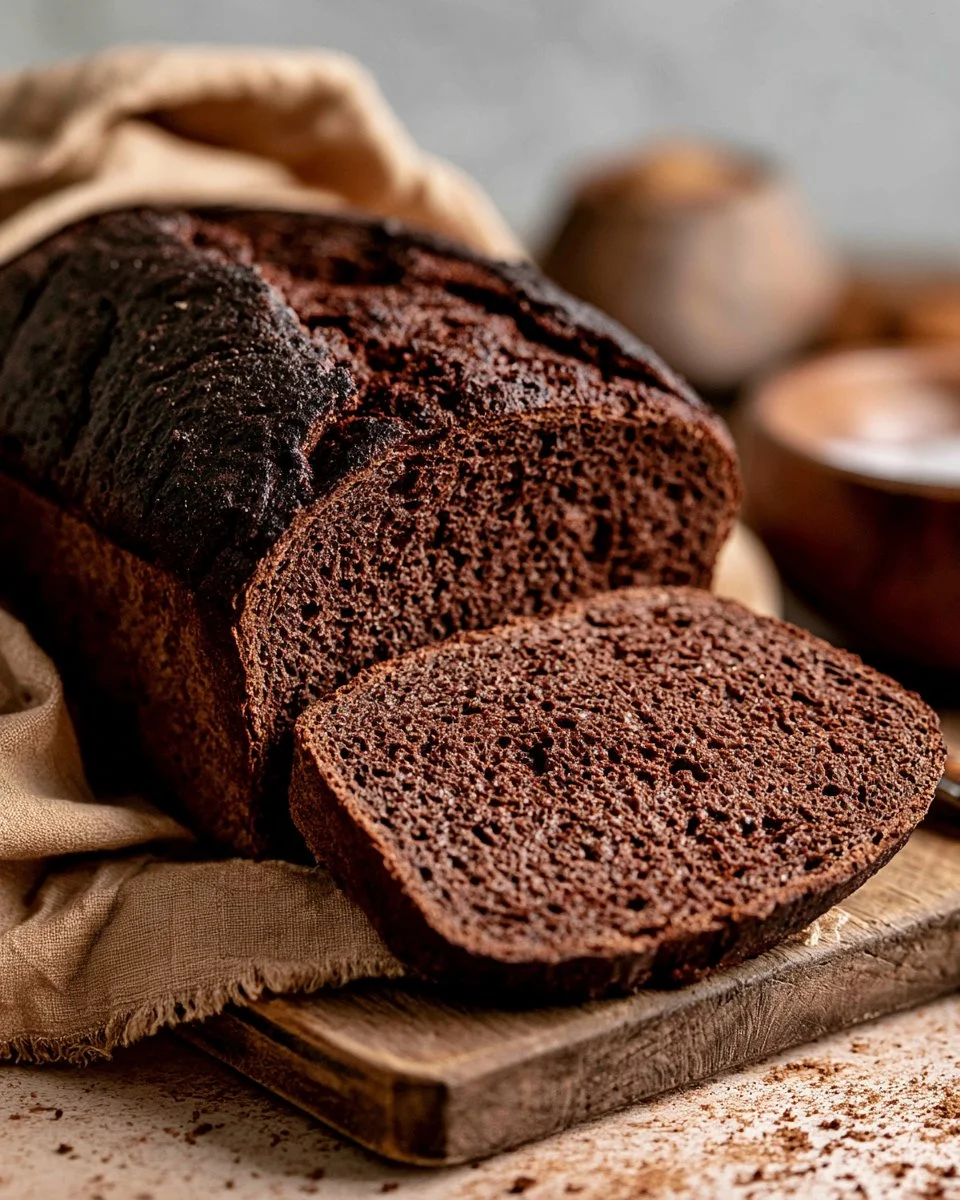
To ensure your pumpernickel bread turns out perfectly, consider these expert tips. First, check the temperature of your water; it should be around 105°F to activate the yeast. Using a food processor can save time and energy, but if you prefer a hands-on approach, mixing by hand is entirely acceptable. When letting your dough rise, find a warm, draft-free spot—this can dramatically influence the yeast’s performance. If your dough is too sticky, you can lightly flour your hands or the work surface before shaping. And remember, patience is key; even if your dough doesn’t double in size, it should still be puffy and ready to shape. Experimenting with cooking times in your oven can help you achieve the crustiness you desire, so keep an eye on the bread as it bakes to ensure it reaches that perfect golden-brown outside.
Common Mistakes to Avoid
When making pumpernickel bread, several common pitfalls can lead to disappointing results. One frequent mistake is using water that is too hot or too cold, which can kill the yeast or hinder its activation. Ensure that your water is at the ideal temperature. Skipping the kneading or mixing process can also affect the dough’s texture—inadequate mixing means gluten won’t develop properly, leading to a dense loaf. Moreover, don’t rush the rising process; allowing the dough ample time to rise is crucial for achieving the desired fluffy texture. Another mistake is ignoring ingredient freshness; expired yeast or flour can limit the bread’s rise and flavor. Lastly, always measure ingredients accurately. Baking is a science, and a slight deviation from the correct measurements can alter the entire outcome, so use a scale when possible for precise results.
Variations
• Add seeds like caraway or fennel for an aromatic twist.
• Mix in nuts for added texture and flavor.
• Substitute honey for brown sugar for a natural sweetness.
• Experiment with different flours, like spelt or oat flour.
• Include dried fruit for a sweet touch.
Serving Ideas
Pumpernickel bread is wonderfully versatile and can elevate any meal. Slice it thick and toast it for breakfast, then spread with butter or cream cheese for a delightful start to your day. Use it as a base for open-faced sandwiches, layering on smoked salmon, cucumber, or roasted vegetables for a healthy lunch option. It pairs perfectly with hearty soups or stews, adding a rustic touch to your dinner table. For a special treat, serve it alongside a cheese platter featuring sharp cheeses, pickles, and cured meats. And don’t forget to experiment with sweet toppings; this bread also complements rich spreads like nut butters or jam, making it a tasty snack any time of day.
Meal Prep & Storage
Pumpernickel bread is an excellent choice for meal prep, as it holds up well in both the refrigerator and the freezer. After baking and cooling the loaf completely, slice it into portions for easy use throughout the week. Store the bread in an airtight container at room temperature for up to a few days. For longer storage, wrap the individual slices in plastic wrap and place them in a freezer-safe bag, where they can last for several months. To enjoy, simply take out what you need and toast or heat the slices directly from the freezer. This way, you can always have homemade, fresh-tasting pumpernickel bread available for your meals or snacks.
FAQs
Can I use regular flour instead of rye flour?
Using regular all-purpose flour can alter the flavor and texture significantly, as rye flour is critical for the traditional taste of pumpernickel bread.
How do I know when my bread is done baking?
The bread should feel firm to the touch and sound hollow when tapped on the bottom. The crust should be a deep, rich brown color.
Can I add ingredients like nuts or seeds?
Absolutely! Incorporating nuts or seeds can enhance both flavor and texture. Just be mindful of the overall balance of ingredients.
Is pumpernickel bread healthy?
This bread is a great source of fiber and can be part of a balanced diet. Its dense texture also means it is filling, which can help control portions.
How can I store leftover bread?
Keep the bread in an airtight container at room temperature or in the fridge if you live in a humid climate. For long-term storage, slice and freeze the bread.
Conclusion
Baking pumpernickel bread at home is a rewarding experience that brings warmth and flavor to your kitchen. Each slice offers a unique taste that pairs beautifully with a variety of toppings and dishes, making it a staple for any meal. As you enjoy this comforting, homemade bread, you’ll find it a perfect addition to your culinary repertoire, inspiring creativity and connection at the dining table.
Pumpernickel Bread
Ingredients
Dough Ingredients
- 2 cups warm water Should be around 105°F to activate yeast.
- 2 cups rye flour Provides depth of flavor.
- 1 cup bread flour Gives structure and chewiness.
- 1 cup whole wheat flour Adds additional fiber and nutrients.
- 1 4 unsweetened cocoa powder Enhances color and flavor profile.
- 1 tbsp instant dry yeast Leavening agent for rise.
- 2 tbsp brown sugar Adds sweetness and aids browning.
- 1 tbsp vegetable oil Contributes to dough's softness.
- 1 tbsp salt Enhances flavor and controls yeast activity.
Instructions
Preparation
- Combine warm water and dry ingredients: In a food processor or a large mixing bowl, add the warm water and incorporate rye flour, bread flour, whole wheat flour, cocoa powder, yeast, brown sugar, salt, and vegetable oil.
- Mix the dough: For a food processor, pulse and then run until a soft, sticky dough forms (about five minutes). For hand mixing, stir with a sturdy spoon until no dry flour remains, achieving a loose, sticky texture.
- Let the dough rise: Cover the dough tightly and allow it to rise at room temperature for 1 hour and 30 minutes until puffy but not doubled.
- Shape the loaf: Once risen, shape the dough into a loaf using your preferred method.