
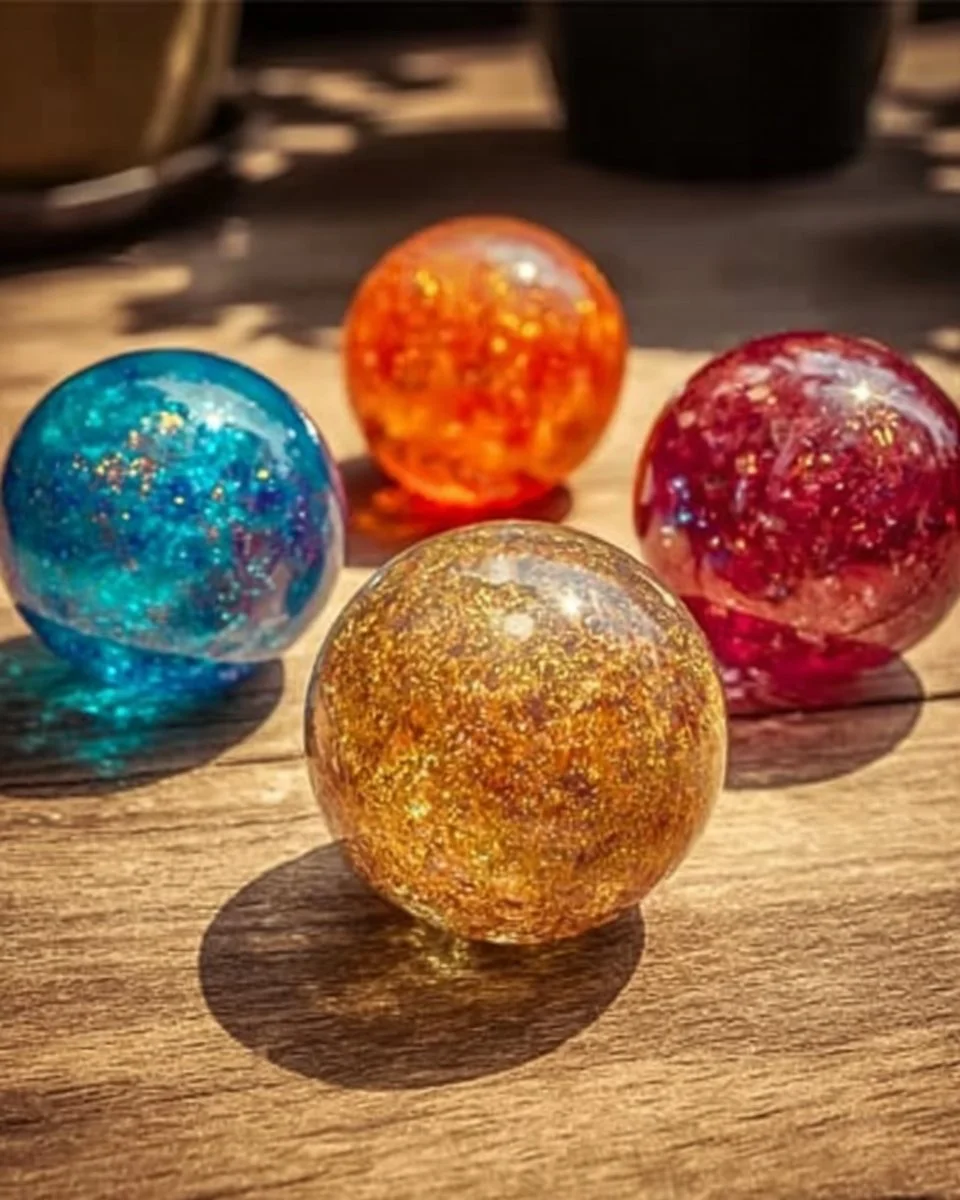
Crafting with kids can be an absolute delight, transforming ordinary afternoons into vibrant sessions of creativity and laughter. One such project that promises hours of engaging fun is making homemade bouncy balls. Not only do these colorful creations bounce incredibly high, but they also offer a sensory experience that kids adore. As they squish, stretch, and roll their bouncy balls, they’ll excitedly marvel at the textures and colors they’ve created. Plus, making bouncy balls is easy and requires just a few supplies commonly found around the house, making it an ideal DIY project for busy parents and caregivers.
Imagine the joy on their faces as they unleash their bouncing masterpieces outdoors. Whether you’re planning a playdate, a birthday party, or just a weekend activity, this craft fits the bill perfectly. With minimal prep and a quick assembly process, these bouncy balls tap into children’s creativity, encouraging them to mix colors and experiment with shapes. Get ready for some memorable playtime and a fantastic keepsake that they can enjoy long after the crafting session ends!
Why You’ll Love This Recipe
Creating homemade bouncy balls is not just a craft; it’s an opportunity for experiential learning wrapped in fun. This project provides a hands-on approach to science concepts, including chemical reactions and material properties. As kids see their ingredients transform into sturdy balls through simple mixing and molding, they learn by doing, fostering curiosity and exploration.
Moreover, this activity is incredibly budget-friendly and can be tailored to suit different age groups. Younger kids can take joy in the simple mixing process, while older children can delve deeper into the science behind it. Whether you’re engaging a small group or working one-on-one, making bouncy balls encourages collaboration and sharing, making it a wonderful bonding activity. Plus, the quick results make it easy to maintain attention and excitement throughout the crafting experience.
What Makes This Recipe Special
What sets homemade bouncy balls apart from other craft projects is the unique combination of simplicity and fun. Children can customize their creations by experimenting with different colors, providing a personal touch that adds to the excitement. Additionally, the tactile nature of the craft stimulates sensory development, helping kids refine their fine motor skills.
The ingredients are typically safe and non-toxic, ensuring peace of mind for parents while kids indulge in a playful and creative process. This project is not only a serious contender for kids’ entertainment but also a platform for learning teamwork and sharing. Plus, after making their bouncy balls, children can enjoy endless games and competitions to see whose creation bounces the highest! A simple craft evolves into a joyful game, ensuring the fun lasts beyond the initial activity.
Ingredients
glue: Serves as the primary bonding agent for creating the rubbery texture of the bouncy balls.
cornstarch: Adds bulk and gives the bouncy balls their unique springy structure.
water: Helps to combine the ingredients, ensuring the right consistency for mixing and molding.
food coloring: Allows children to add vibrant colors to their bouncy balls for a personalized look.
baking soda: Reacts with the other ingredients, helping to form the bouncy texture when fully combined.
How to Make Homemade Bouncy Balls: Fun, Easy Crafts for Kids
STEP 1. Mix adhesive ingredients. In a bowl, combine glue and water thoroughly until well blended.
STEP 2. Add cornstarch. Gradually incorporate cornstarch into the glue mixture, stirring consistently to avoid lumps.
STEP 3. Color your mixture. Add a few drops of food coloring to achieve the desired shade, stirring until the color is evenly distributed.
STEP 4. Add baking soda. Sprinkle baking soda into the mixture and stir until completely incorporated; the texture will start to thicken.
STEP 5. Knead the dough. Using your hands, knead the mixture for a couple of minutes until it becomes smooth and pliable.
STEP 6. Shape into balls. Roll the dough between your palms to form small, round balls, adjusting the size as desired.
STEP 7. Let them rest. Allow the formed bouncy balls to sit for a few hours or overnight to achieve a firmer texture.
Pro Tips
- For vibrant colors, don’t hesitate to experiment with different food color combinations, mixing shades for a custom look.
- If the mixture is too sticky, add small amounts of cornstarch and knead until the desired consistency is achieved.
- Ensure that the bouncy balls are fully cured, as they will become firmer and bouncier as they dry.
- Clean your hands immediately after kneading to avoid staining from the food coloring.
- Consider wearing gloves if using highly pigmented food coloring.
Common Mistakes to Avoid
- Skipping the resting period can lead to soft bouncy balls, lacking the necessary firmness for good bouncing.
- Not mixing the ingredients thoroughly may result in lumpy or uneven textures.
- Using too much water can make the mixture excessively runny, so measure carefully when combining.
- Choosing the wrong type of glue may affect the bounciness; ensure to use PVA glue for the best results.
- Forgetting to knead the dough adequately can result in a less pliable and uneven ball shape.
Variations
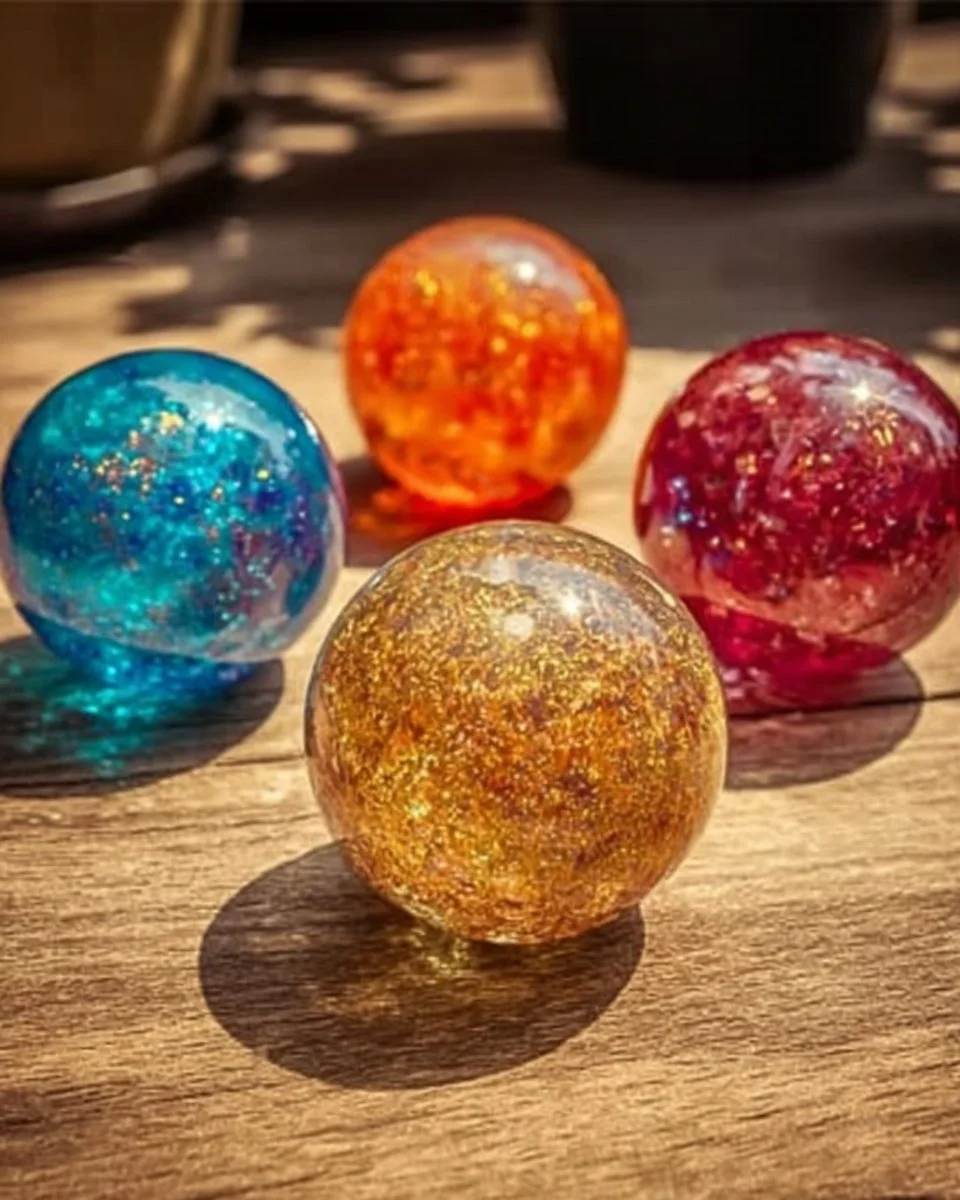
• Experiment with glitter for an extra sparkle in your bouncy balls.
• Use essential oils to infuse a pleasant scent into the bouncy balls.
• Incorporate different colors in layers for a swirled effect.
• Create themed balls for parties by using specific color schemes.
• Add tiny foam balls into the mixture for a unique texture.
Serving Ideas
Homemade bouncy balls can be enjoyed in various settings, making them versatile toys for playtime. Use them for fun games such as “bouncy ball bowling” in the backyard or indoors. Set up targets, and let the kids aim for points to engage in a friendly competition. Additionally, these colorful creations can serve as party favors for birthdays or playdates, giving guests something unique to take home.
Meal Prep & Storage
To ensure your bouncy balls maintain their texture and longevity, store them in an airtight container or a resealable plastic bag. Keep them in a cool, dry place away from direct sunlight, as heat can affect their elasticity. Proper storage leads to extended playtime, letting kids enjoy their creations for days or even weeks. If they start to lose bounciness, a quick squish and reshape may restore their playful energy.
FAQs
Can I make these bouncy balls without glue?
Using glue is essential for creating the proper texture and bounce. Alternative recipes may exist, but they often yield different results.
How long do these bouncy balls last?
When stored correctly, homemade bouncy balls can last several weeks to months, depending on storage conditions.
Are these safe for younger kids?
The ingredients used are generally non-toxic, but adult supervision is recommended, particularly for children under three due to small parts and potential choking hazards.
What should I do if my bouncy balls are too soft?
If your bouncy balls are too soft, ensure they were given enough time to dry, or try kneading in a bit more cornstarch and allowing them to cure longer.
Can I use different adhesives?
While the recipe calls for PVA glue, other types like clear school glue can also be used, but results may vary in terms of bounce quality.
Conclusion
Crafting homemade bouncy balls is an excellent way to spark creativity and engage children in a fun, educational project. With simple ingredients and minimal prep time, it turns into an enjoyable activity filled with laughter and learning. Let the bouncing begin!
Bouncy Balls
Ingredients
For the bouncy balls
- 1 cup glue Use PVA glue for the best results.
- 2 tablespoons cornstarch Adds bulk and gives the balls their unique structure.
- 1/2 cup water Helps to combine the ingredients.
- Food coloring a few drops For vibrant colors.
- 1 teaspoon baking soda Reacts to help form the bouncy texture.
Instructions
Mixing the ingredients
- In a bowl, combine glue and water thoroughly until well blended.
- Gradually incorporate cornstarch into the glue mixture, stirring consistently to avoid lumps.
- Add a few drops of food coloring to achieve the desired shade, stirring until the color is evenly distributed.
- Sprinkle baking soda into the mixture and stir until completely incorporated.
- Using your hands, knead the mixture for a couple of minutes until it becomes smooth and pliable.
- Roll the dough between your palms to form small, round balls, adjusting the size as desired.
- Allow the formed bouncy balls to sit for a few hours or overnight to achieve a firmer texture.