
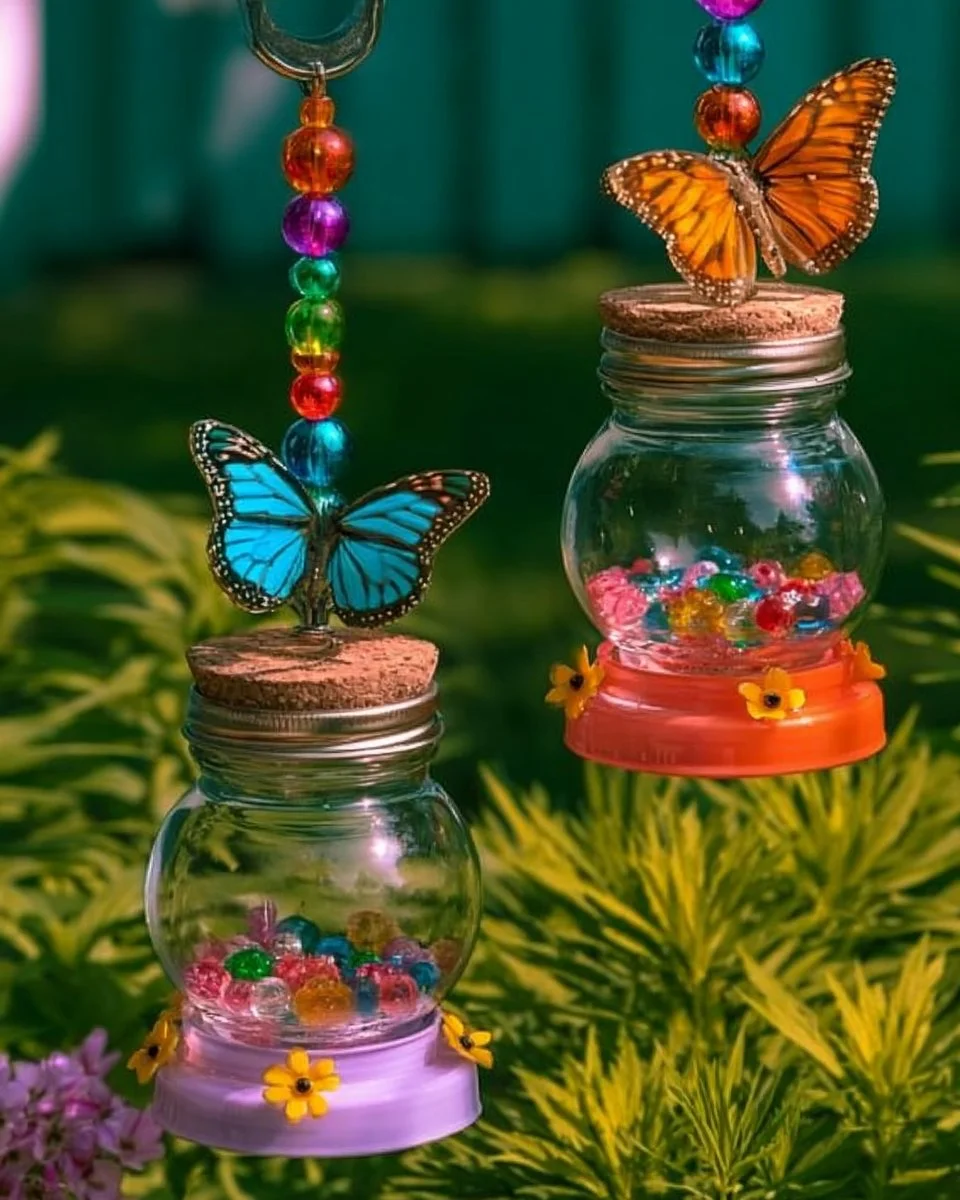
Creating a mesmerizing butterfly garden starts with alluring feeders that attract these delicate creatures. Imagine vibrant glass containers painted in lively colors, brimming with sweet nectar, fluttering gently in the breeze as butterflies dance around them. These cheerful butterfly nectar feeders not only enhance the beauty of your garden but also provide a crucial food source for butterflies, aiding in their survival. With just a few simple materials, you can craft these enchanting feeders that will become the centerpiece of your outdoor space. The combination of artistic expression and environmental contribution makes this project a wonderful way to connect with nature, whether in your backyard or on your balcony. Your garden will come alive, becoming a haven for those colorful pollinators. Let’s explore how you can create your own butterfly nectar feeders, bringing both whimsy and practicality to your outdoor oasis.
Why You’ll Love This Recipe
This project is not just about creating beautiful butterfly feeders; it’s also a perfect blend of creativity and simplicity. The joy of watching butterflies flit around your garden as they indulge in the nectar is truly rewarding. Plus, using colorful glass containers adds a stunning aesthetic to your outdoor environment. It’s a fun activity to share with family or friends, creating cherished memories while promoting an essential part of our ecosystem. You’ll love how easy it is to prepare everything, making it an excellent weekend project or a delightful activity for kids. Not to mention, these butterfly nectar feeders are visually appealing, making them ideal for sharing on Pinterest, inspiring others to beautify their gardens while supporting local wildlife.
What Makes This Recipe Special
This craft combines artistry with nature conservation, encouraging individuals to engage with their surroundings. The use of vibrant acrylic paints allows for a personal touch, making each feeder truly unique. Furthermore, the homemade nectar recipe offers a natural option free from additives, ensuring that butterflies receive the best nourishment possible. These feeders not only serve a functional purpose but also act as charming decorative elements in your garden. By participating in this delightful project, you’re contributing to a healthier environment by supporting essential pollinators. Whether you choose to feature them prominently or tuck them into corners of your garden, these colorful feeders will attract beautiful butterflies and brighten your outdoor space.
Ingredients
Clear glass containers: Use mason jars or small vases for a charming look.
Colorful acrylic paints: Choose vibrant colors to make your feeders eye-catching.
Nectar: Utilize natural nectar or a simple homemade sugar and water mix for butterflies.
Soft paintbrushes: Select various sizes for painting on the glass containers.
Small mixing bowl: Essential for mixing paint or nectar preparation.
Water: Used for mixing the sugar in your nectar recipe.
Decorative elements: Optional items like twine, ribbons, or beads to enhance aesthetics.
How to Make Colorful Butterfly Nectar Feeders
STEP 1. Clean your containers. Begin by cleaning the glass containers thoroughly to ensure the paint adheres well.
STEP 2. Prepare the paint. Pour a small amount of acrylic paint into your mixing bowl.
STEP 3. Apply paint. Dip your paintbrush into the paint and start applying it to the outside of the glass, allowing each layer to dry before adding more.
STEP 4. Make the nectar. Prepare your nectar by mixing equal parts sugar with warm water until dissolved.
STEP 5. Fill the containers. Once the paint has dried, fill each painted container with the nectar.
STEP 6. Place your feeders. Position the feeders in your garden or on your balcony to attract butterflies.
STEP 7. Store properly. If you’re storing the feeders, empty the nectar and rinse the containers, letting them dry completely for future use.
Pro Tips
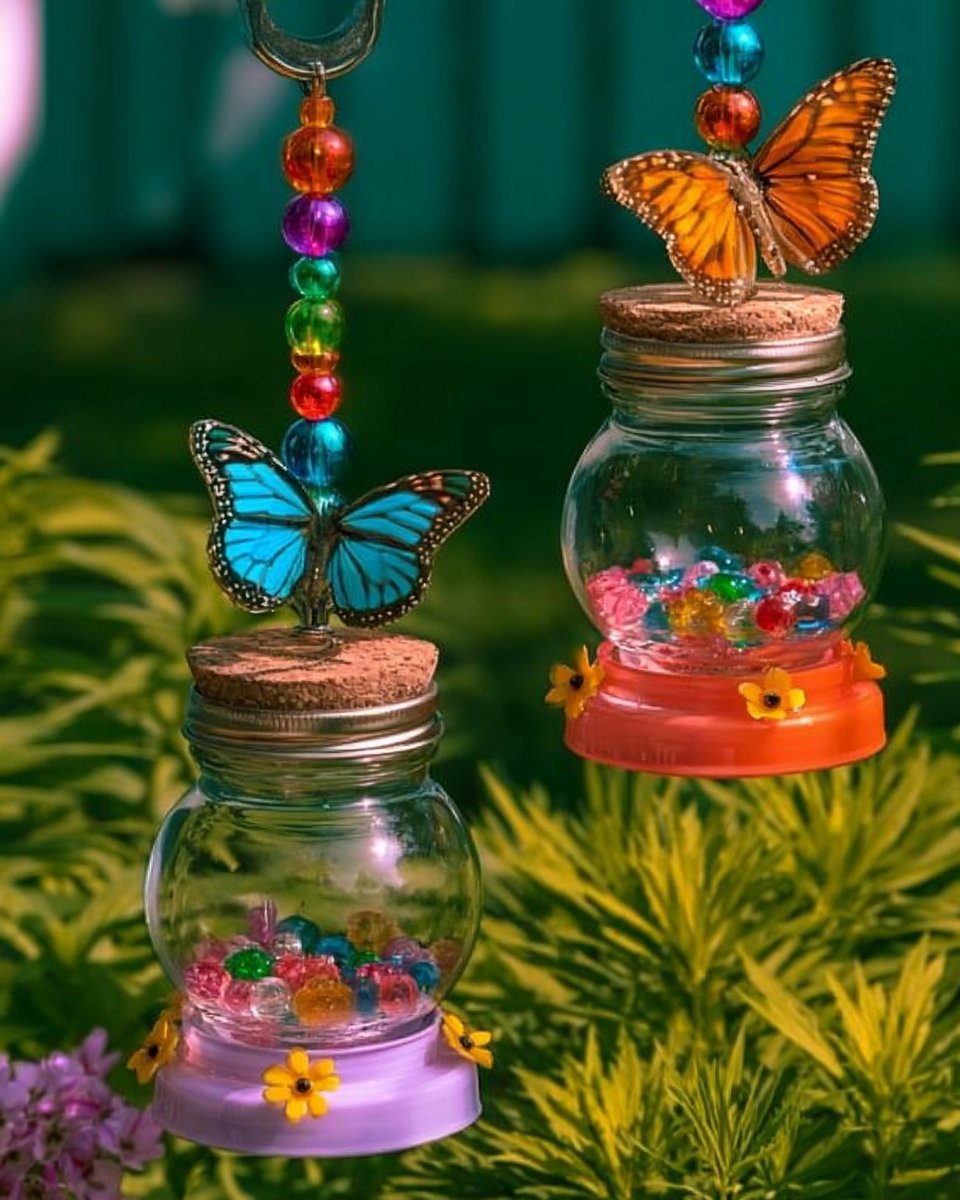
To ensure your butterfly nectar feeders are effective and visually stunning, consider a few key techniques. Firstly, allow ample drying time between paint layers to achieve a smooth finish and prevent smudging. Use non-toxic acrylic paints safe for outdoor use, which will endure weather conditions. When preparing the nectar, remember that a simple sugar-water solution is best; just ensure the sugar is fully dissolved for optimal butterfly enjoyment. Additionally, place feeders in sunny areas to maximize visibility for passing butterflies. Monitoring the feeders regularly will help you keep the nectar fresh, changing it every few days to prevent fermentation. Lastly, experiment with different materials and decorative elements to create personalized feeders that reflect your style while welcoming nature.
Common Mistakes to Avoid
Avoid common pitfalls while creating your butterfly nectar feeders to ensure maximum enjoyment and effectiveness. One major mistake is rushing the painting process; ensure each coat dries completely before applying the next color to prevent smudging and peeling. Another error includes using regular chemical paints, which can be harmful to butterflies; choose non-toxic options for safety. When preparing nectar, it is vital to use the correct sugar-to-water ratio and avoid using alternatives like honey, which can be harmful to butterflies. Also, don’t forget to keep the feeders clean; a dirty feeder can deter butterflies. Lastly, placing feeders in shaded or less-visible areas will limit butterfly visits, so select sunny spots for optimal engagement.
Variations
• Decorate with twine for a rustic look.
• Add beads or ribbons for extra charm.
• Try different glass shapes for varied designs.
• Experiment with various paint patterns for creativity.
• Use larger containers for more nectar storage.
Serving Ideas
For those eager to attract butterflies, consider pairing your colorful feeders with native plants that thrive in your local environment. Planting flowers that bloom in succession ensures a continuous food source for butterflies. Positioning your feeders near these plants creates a cohesive and inviting habitat. Furthermore, sharing your butterfly-friendly garden on social media platforms with stunning images can inspire others to join in the conservation effort. You might even consider hosting garden parties to showcase your creations, encouraging friends and family to enjoy and appreciate the beauty of nature while learning about the importance of butterflies.
Meal Prep & Storage
While these colorful butterfly nectar feeders are primarily crafted for attracting butterflies, proper maintenance can enhance your enjoyment. After filling the feeders, it’s essential to check them regularly for freshness. Clean them thoroughly when empty, allowing them to dry completely before storing to prevent mold. If you choose to paint additional feeders for special occasions or seasonal themes, keep freshly painted items in a dry, sheltered area until completely cured. This will allow you to rotate feeders in and out depending on the time of year, ensuring your garden remains a vibrant sanctuary for butterflies throughout the seasons.
FAQs
How often should I change the nectar in my feeders?
It’s best to replace the nectar every few days, especially in warm weather, to prevent fermentation and ensure butterflies have access to fresh food.
What kind of sugar should I use for the nectar?
Regular granulated sugar is perfect for making butterfly nectar. Avoid using honey or other sweeteners, as they can be harmful to butterflies.
Can I use food coloring in the nectar?
It’s unnecessary to add food coloring, as butterflies are naturally attracted to the sweetness of the nectar. Instead, focus on making the feeders colorful through the exterior paint.
How do I clean my glass feeder?
Rinse the feeders with warm, soapy water, ensuring to scrub any residues. Rinse thoroughly and let them air dry completely before refilling.
Will birds be attracted to my butterfly feeders?
Yes, birds may be attracted to similar feeders, but they usually prefer different types of food. If you notice birds frequenting your butterfly feeders, consider placing them strategically to minimize competition.
What types of butterflies can I expect to attract?
The types of butterflies you attract depend on your local environment, but creating a butterfly-friendly garden can bring in various species, including monarchs, swallowtails, and painted ladies.
Conclusion
Engaging with nature has never been more rewarding than when you create your colorful butterfly nectar feeders. Not only will you contribute to the local ecosystem, but you’ll also enjoy a vibrant and lively garden filled with fluttering butterflies. This delightful and simple project allows for creativity while making our world a more beautiful place. Grab your materials, unleash your artistic side, and watch as butterflies dance in your garden, creating a delightful outdoor retreat.
Colorful Butterfly Nectar Feeders
Ingredients
For the Feeders
- 5 pieces Clear glass containers Use mason jars or small vases for a charming look.
- 1 set Colorful acrylic paints Choose vibrant colors to make your feeders eye-catching.
- 1 cup Nectar Utilize natural nectar or a simple homemade sugar and water mix.
- 1 set Soft paintbrushes Select various sizes for painting on the glass containers.
- 1 small Mixing bowl Essential for mixing paint or nectar preparation.
- 1 cup Water Used for mixing the sugar in your nectar recipe.
- Optional Decorative elements Twine, ribbons, or beads to enhance aesthetics.
Instructions
Preparation
- Clean your containers thoroughly to ensure the paint adheres well.
- Pour a small amount of acrylic paint into your mixing bowl.
- Dip your paintbrush into the paint and start applying it to the outside of the glass, allowing each layer to dry before adding more.
- Prepare your nectar by mixing equal parts sugar with warm water until dissolved.
- Once the paint has dried, fill each painted container with the nectar.
- Position the feeders in your garden or on your balcony to attract butterflies.
- If you’re storing the feeders, empty the nectar and rinse the containers, letting them dry completely for future use.