
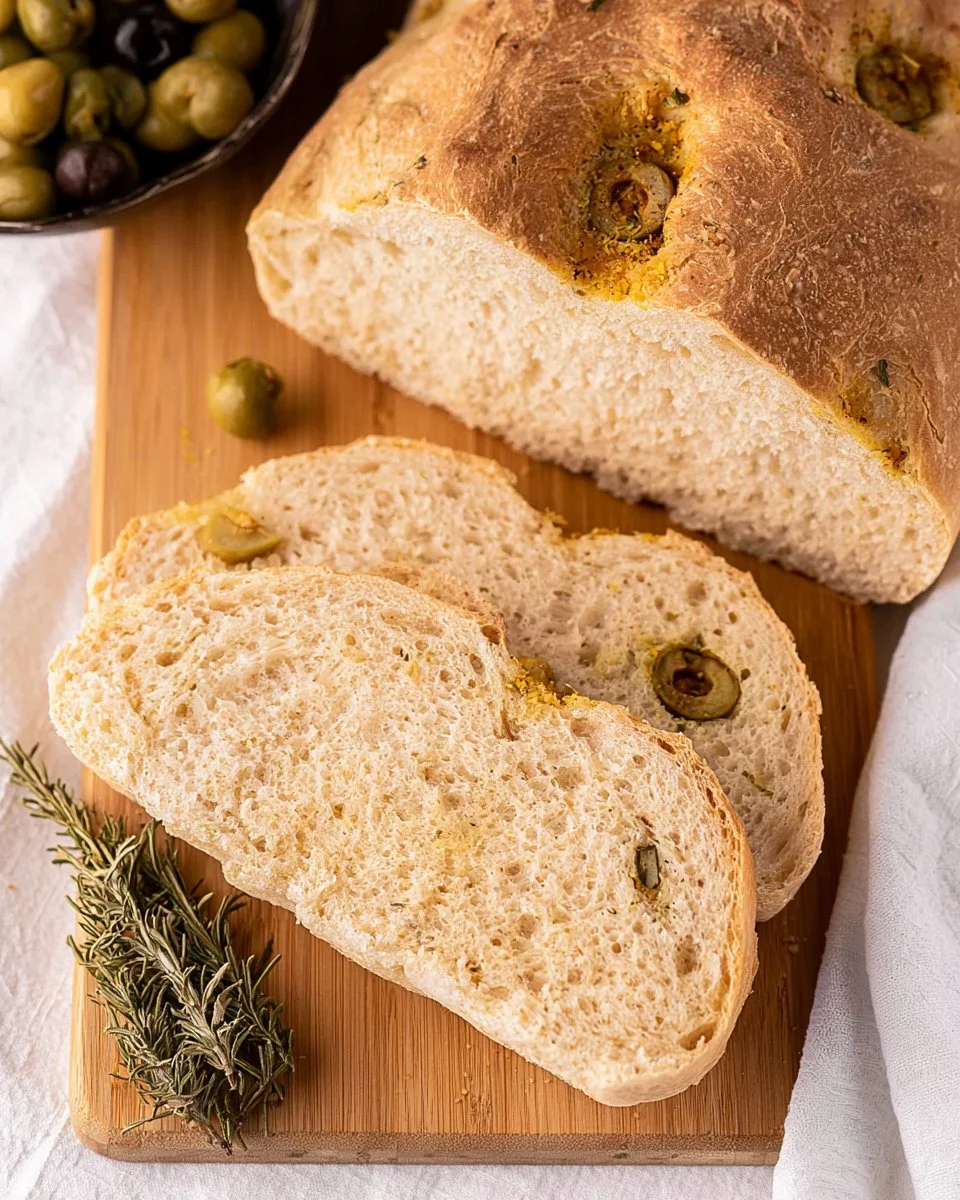
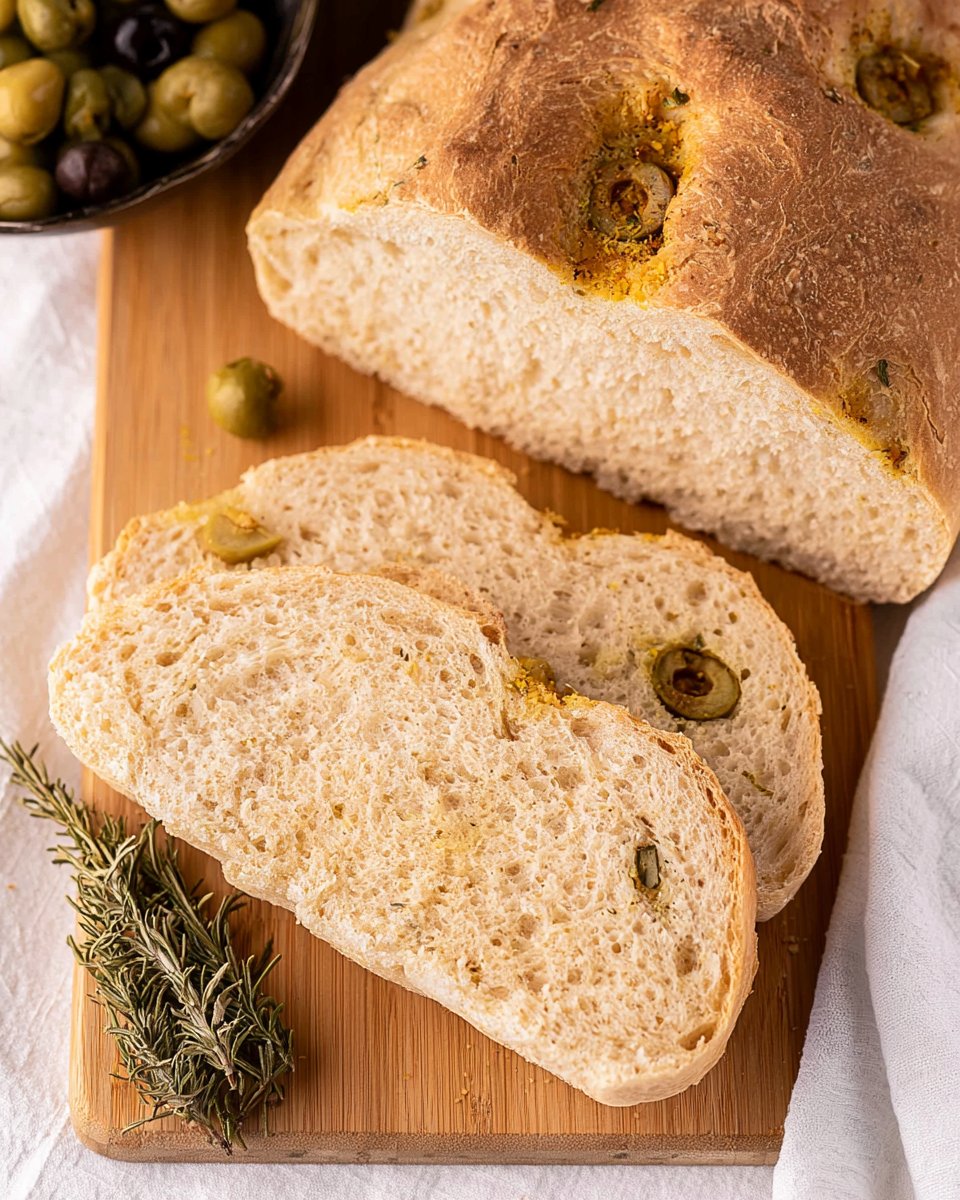
Imagine the irresistible aroma of freshly baked bread wafting through your kitchen, punctuated by the rich, salty notes of olives and a hint of garlic. This savory loaf is more than just a side dish; it’s a celebration of flavor and texture that will make your home feel like a cozy European bakery. Every bite offers a crusty exterior that yields to a soft, airy crumb infused with the briny goodness of olives. Whether you’re crafting this for a family dinner or a special gathering, the simplicity of this homemade bread will impress your guests and fill your heart with warmth. Perfect for accompanying soups, salads, or enjoying on its own, this olive bread is destined to be a new favorite in your recipe collection.
Why You’ll Love This Recipe
This recipe combines the best aspects of comfort food and gourmet cooking. The use of olives not only enriches the flavor profile but also adds a delightful texture that sets this bread apart. Its versatility is a major highlight; serve it warm with butter, slice it for sandwiches, or enjoy it dipped in olive oil—a true crowd-pleaser. Additionally, making bread at home allows you to control the ingredients, ensuring you’re serving a wholesome and nourishing option. As one of those easy dinner ideas or a great addition to your healthy meal prep, this olive bread is a must-try for anyone looking to elevate their culinary game without spending hours in the kitchen.
What Makes This Recipe Special
What truly sets this olive bread apart from other homemade recipes is its blend of simple ingredients that come together to create a complex and satisfying flavor. The combination of oregano and garlic powder infuses each slice with an aromatic quality that’s simply irresistible. Plus, the choice of olives—whether you opt for green or kalamata—allows for customization, making each baking experience unique. This recipe is not only about bread; it’s about creating a magical moment in your kitchen where the aroma and taste connect your family and friends, satisfying both the palate and the soul.
Ingredients
bread flour: Provides the structural base for the bread, creating a chewy texture.
instant yeast: Helps the dough rise quickly, resulting in a light and airy loaf.
coarse salt: Enhances flavor and strengthens the dough’s structure.
dried oregano: Adds a fragrant herbal note that complements the olives.
garlic powder: Infuses the bread with a warm and savory depth of flavor.
chopped pitted olives: Offers a briny, rich taste that elevates the overall flavor profile.
lukewarm water: Activates the yeast and hydrates the flour for a perfect dough consistency.
extra flour: For dusting and preventing sticking during shaping and baking.
How to Make Olive Bread
STEP 1. Whisk the dry ingredients. In a large bowl, combine the bread flour, instant yeast, coarse salt, dried oregano, and garlic powder.
STEP 2. Add the olives and water. Incorporate the chopped olives and lukewarm water into the dry mixture.
STEP 3. Stir until combined. Use a spatula or your hands to mix until a sticky dough forms.
STEP 4. Cover and rise. Tightly cover the bowl with plastic wrap and let it rise in a warm place for about 2 hours or until it doubles in size.
STEP 5. Shape the dough. Turn the dough onto a lightly floured surface and gently form it into a round loaf.
STEP 6. Rest the loaf. Place the shaped loaf on a lightly greased baking sheet, cover, and let it rest for 45 minutes.
STEP 7. Preheat the oven. Set your oven to 425°F (220°C) to prepare for baking.
STEP 8. Score the loaf. After resting, use a sharp knife to create a shallow score on the top of the loaf.
STEP 9. Bake the bread. Put the baking sheet in the oven and bake for 35-40 minutes or until the crust turns a deep golden brown.
STEP 10. Cool the bread. Remove the bread from the oven and transfer it to a wire rack. Let it cool for at least 15 minutes before slicing.
Pro Tips
For the best results, use high-quality olives and ensure they are well-drained before chopping. This prevents excess moisture, which can alter the dough’s consistency. When letting the dough rise, find a warm, draft-free space; a slightly warmed oven turned off works wonders. If the dough feels too sticky when shaping, dust with additional flour to achieve the desired texture. For a crunchy crust, place a pan of water at the bottom of the oven while baking; this helps create steam, enhancing the crust’s crispiness. Lastly, if you want a deeper flavor, consider allowing the dough to rise overnight in the refrigerator, then proceed with shaping and baking the next day.
Common Mistakes to Avoid
One common mistake is not allowing the dough to rise properly. Make sure you give it enough time to double in size, as this is crucial for a light, airy loaf. Avoid overworking the dough during shaping; gentle handling preserves the air bubbles formed during fermentation. Ensure your water is lukewarm, as hot water can kill the yeast. It’s also important to avoid skipping the resting period after shaping; this allows the gluten to relax, making the loaf easier to score and bake evenly. Finally, resist the temptation to open the oven door while baking, as this can cause the loaf to deflate.
Variations
• Substitute different herbs like thyme or rosemary for a unique flavor.
• Experiment with different types of olives, such as black or stuffed varieties.
• Add sun-dried tomatoes or roasted red peppers for a Mediterranean twist.
• Incorporate feta cheese into the dough for a creamy texture.
• Use whole wheat flour for a heartier bread experience.
Serving Ideas
This delightful olive bread is incredibly versatile and perfect for various occasions. Pair it with a warm bowl of hearty soup for a comforting meal on chilly evenings. It serves beautifully as a base for bruschetta, topped with fresh tomatoes, basil, and a drizzle of balsamic glaze. Consider slicing it for a delightful sandwich, layering it with cheese, cured meats, or fresh vegetables. For a casual gathering, serve it alongside an olive oil dip or hummus for a delicious appetizer that encourages sharing and conversation.
Meal Prep & Storage
Olive bread is best enjoyed fresh, but you can certainly prepare it in advance. Bake the bread, let it cool completely, then wrap it tightly in plastic wrap or foil to maintain freshness, and store it at room temperature for up to three days. For longer storage, consider freezing it; slice the loaf first to make it easier to defrost individual servings. To reheat, pop the slices in the toaster or wrap them in aluminum foil and warm them in a preheated oven. Enjoying homemade bread with your meals just got a lot more convenient!
FAQs
Can I use all-purpose flour instead of bread flour?
Yes, you can substitute all-purpose flour, but the texture may be slightly denser. Bread flour’s higher protein content creates a chewier texture.
How do I know when the bread is baked properly?
The crust should be a deep golden brown, and the bread should sound hollow when tapped on the bottom.
Can I add more ingredients, like nuts or seeds?
Absolutely! Feel free to experiment with ingredients like walnuts or sunflower seeds to enhance texture and flavor.
What should I do if my dough doesn’t rise?
Ensure your yeast is fresh and active. If the dough is not rising, the environment may be too cold; consider moving it to a warmer spot.
How can I adjust the recipe for a different flavor profile?
You can modify the herbs, olives, or even add cheese to create your desired flavor. Just ensure any additions don’t alter the overall moisture level too drastically.
Conclusion
Baking your own bread is a rewarding experience that fills your home with irresistible scents and creates comfort with every slice. This olive bread not only delivers on flavor but also allows for personal touches and variations, making it a versatile addition to your culinary repertoire. Whether you savor it at dinner or enjoy it as part of a casual gathering, this homemade delight is sure to impress. Happy baking!
Olive Bread
Ingredients
For the dough
- 4 cups bread flour Provides the structural base for the bread, creating a chewy texture.
- 2 teaspoons instant yeast Helps the dough rise quickly, resulting in a light and airy loaf.
- 2 teaspoons coarse salt Enhances flavor and strengthens the dough’s structure.
- 2 teaspoons dried oregano Adds a fragrant herbal note that complements the olives.
- 1 teaspoon garlic powder Infuses the bread with a warm and savory depth of flavor.
- 1 cup chopped pitted olives Offers a briny, rich taste that elevates the overall flavor profile.
- 1.5 cups lukewarm water Activates the yeast and hydrates the flour for a perfect dough consistency.
For shaping
- extra flour extra flour For dusting and preventing sticking during shaping and baking.
Instructions
Preparation
- In a large bowl, combine the bread flour, instant yeast, coarse salt, dried oregano, and garlic powder.
- Incorporate the chopped olives and lukewarm water into the dry mixture.
- Use a spatula or your hands to mix until a sticky dough forms.
- Tightly cover the bowl with plastic wrap and let it rise in a warm place for about 120 minutes or until it doubles in size.
Baking
- Turn the dough onto a lightly floured surface and gently form it into a round loaf.
- Place the shaped loaf on a lightly greased baking sheet, cover, and let it rest for 45 minutes.
- Preheat your oven to 425°F (220°C).
- After resting, use a sharp knife to create a shallow score on the top of the loaf.
- Put the baking sheet in the oven and bake for 35-40 minutes or until the crust turns a deep golden brown.
- Remove the bread from the oven and transfer it to a wire rack. Let it cool for at least 15 minutes before slicing.