
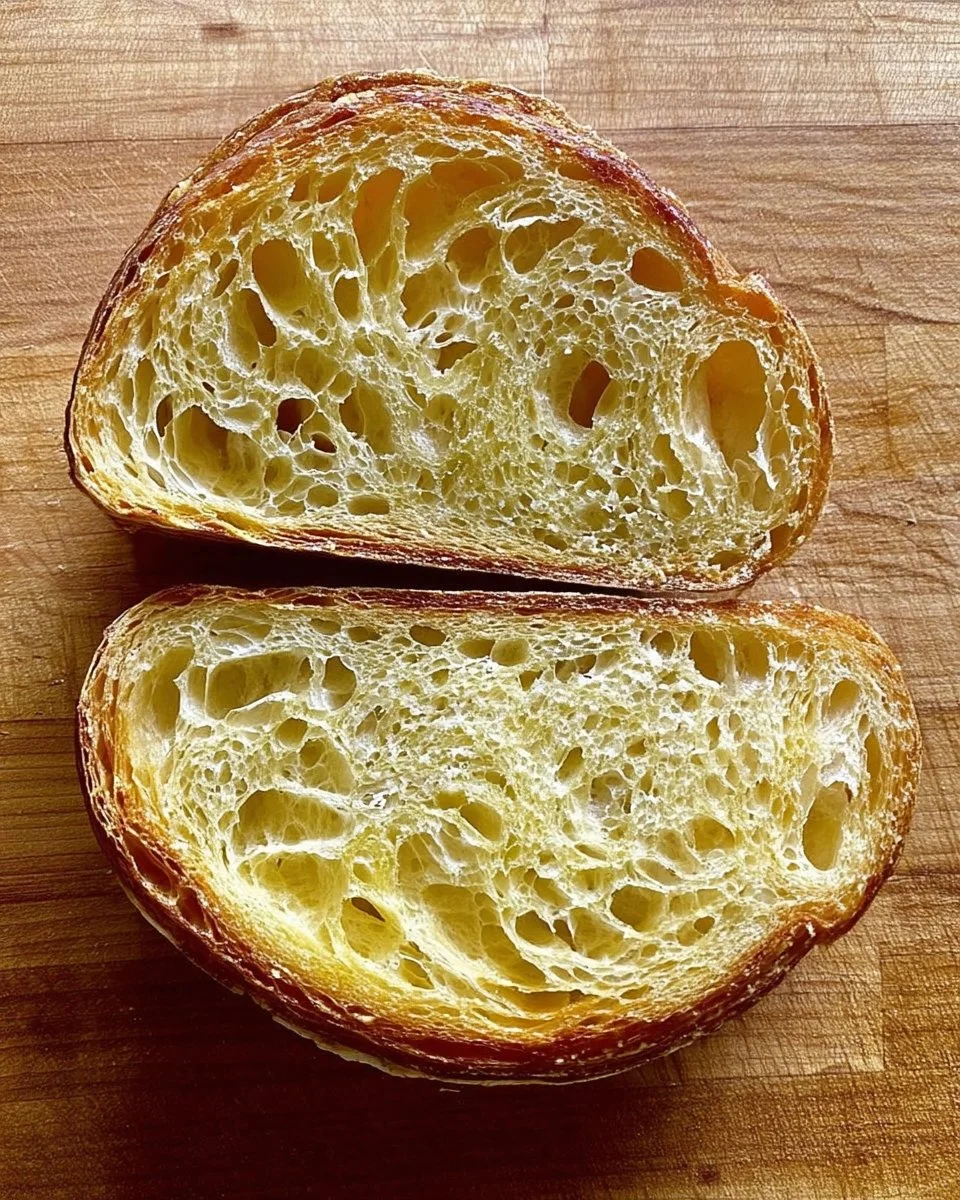
Imagine waking up to a kitchen filled with the sweet, buttery aroma of freshly baked croissants. The golden, flaky layers beckon you to indulge, promising a bite of pure bliss. With the hustle and bustle of daily life, you may think that mastering croissants is a task reserved for expert bakers alone. However, there’s a secret that can turn your mornings into moments of joy with minimal effort. This is not just any croissant dough; it’s a transformative recipe that allows you to create rich, delightful pastries without the fuss. Each bite is a heavenly marriage of delicate pastry and rich flavor, making every breakfast a special occasion. Whether you’re treating yourself or impressing guests, this simple yet effective approach will have your home smelling like a gourmet bakery. Let’s dive into these amazing layers of flavor and texture that are sure to enliven your mornings and elevate any brunch.
Why You’ll Love This Recipe
This croissant dough is a game changer for busy cooks and culinary enthusiasts alike. The beauty of this recipe lies in its simplicity; it combines the classic elements of croissant making with a shortcut that doesn’t compromise on taste. Using basic ingredients, you can achieve the light and flaky texture that defines a perfect croissant. The flexibility of the dough allows for various fillings and shapes, letting your creativity shine through. With minimal time spent actively preparing, you can whip up a batch, chill it, and pull it out whenever cravings strike. It’s perfect for the family, special occasions, or simply indulgent weekends. You may find yourself reaching for this recipe time and time again, turning ordinary mornings into extraordinary feasts, all without breaking a sweat.
What Makes This Recipe Special
What sets this croissant dough apart is its balance of rich butteriness and a straightforward method. Unlike traditional croissant recipes that demand extensive kneading and folding, this cheater’s version simplifies the process, allowing anyone to replicate the magic in their own kitchen. The key lies in the precise handling of cold butter, which is crucial to achieving that beloved flaky texture. This dough can be prepared in advance—just let it rest in the refrigerator for a few hours or even days, giving you the flexibility to bake when it suits your schedule. The result is a luscious dough that rises beautifully, creating croissants that look professionally made but are undeniably homemade with love. Perfect for breakfast, desserts, or light snacks, this croissant dough opens the door to endless possibilities.
Ingredients
water: Essential for activating the yeast and creating the dough’s base.
milk: Adds creaminess and enhances the dough’s flavor and texture.
egg: Provides richness and acts as a binding agent in the dough.
all-purpose flour: The main structure of the dough, providing the necessary gluten.
instant yeast: Helps the dough rise quickly and effectively for a light texture.
kosher salt: Balances flavors while strengthening the dough.
sugar: Adds a touch of sweetness and helps with browning.
butter: The star ingredient that contributes to flakiness and flavor, essential for layers.
egg yolks: Used for the egg wash, giving the croissants a rich golden color.
heavy cream: Adds richness to the egg wash for a glossy finish.
sea salt: A finishing touch for enhanced flavor.
How to Make Life-Changing Cheater’s Croissant Dough
STEP 1. Combine wet ingredients. In a medium bowl or liquid measure, whisk together the water, milk, and egg until well mixed.
STEP 2. Mix dry ingredients. In a food processor, blend together the flour, yeast, salt, and sugar until well combined.
STEP 3. Add butter. Cut the cold butter into thin slices and add it to the flour mixture, pulsing 10 to 12 times at 1-second intervals until the butter resembles small pea-sized pieces.
STEP 4. Form the dough. Transfer the mixture to a large bowl; then add the water-milk-egg mixture and stir using a spatula until a wet, sticky mass forms.
STEP 5. Chill the dough. Cover the bowl and refrigerate for at least 2 hours (ideally 24 hours) or up to 4 days to help develop flavors.
STEP 6. Prepare for folding. Turn the chilled dough onto a lightly floured surface and divide it into two equal portions. Pat each portion into a rough square.
STEP 7. Roll out the dough. Working with one portion, roll it out to a width of 10 to 11 inches, sprinkling flour as needed to prevent sticking.
STEP 8. Fold the dough. Fold the top third down over the dough and the bottom third up. Fold the right third from right to left, then the left third over. You should have a square shape now.
STEP 9. Repeat folds. Roll out the dough again into a large square and repeat the folding process three more times to create even more layers.
STEP 10. Chill again. Once the folding is complete, place the dough in an airtight container and refrigerate for at least 30 minutes or up to 2 days.
STEP 11. Prepare triangles. Roll the dough into an 8 by 12-inch rectangle and cut it in half vertically, then diagonally to create triangles.
STEP 12. Shape the croissants. Starting at the flat end, coil each triangle into a croissant shape, tucking the tip underneath.
STEP 13. Let croissants proof. Place the shaped croissants on a parchment-lined sheet pan, cover them with a pan, and let them proof for 2 hours at room temperature until nearly doubled in size.
STEP 14. Preheat the oven. When the croissants are ready, preheat the oven to 425ºF.
STEP 15. Prepare the egg wash. In a small bowl, whisk together the yolks, heavy cream, and a pinch of sea salt.
STEP 16. Brush and bake. Brush each croissant with the egg wash and let them rest for 5 minutes before transferring to the oven. Lower the oven temperature to 400ºF and bake for about 15 minutes, until golden brown.
STEP 17. Cool and serve. Remove the pan from the oven, transfer croissants to a cooling rack, and allow them to rest briefly before serving.
Pro Tips
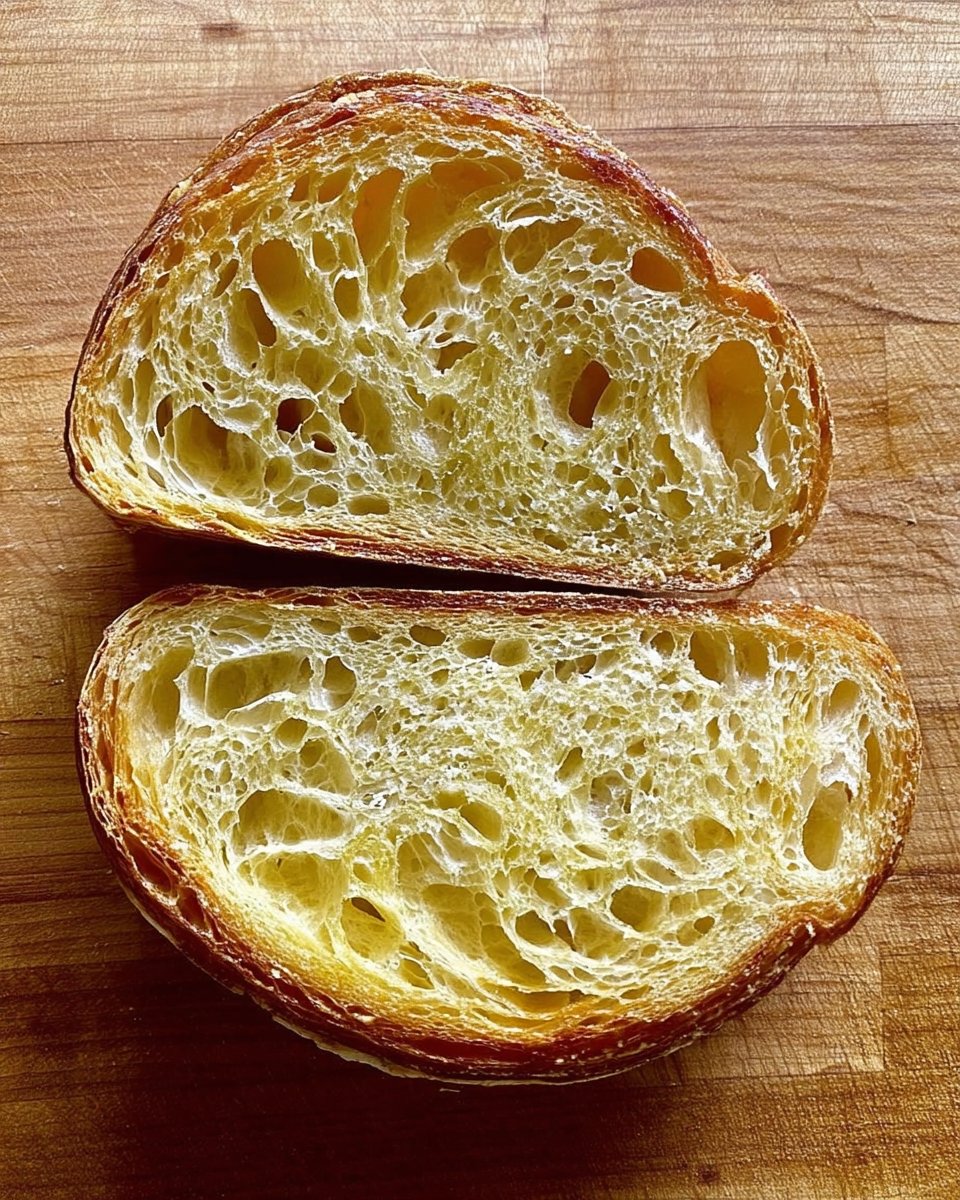
To ensure the best results, work with cold ingredients, especially the butter, to achieve that classic flaky texture. If possible, take your time chilling the dough; the more it rests, the better the layers will develop. Pay close attention to how the dough feels during rolling and folding—if it’s sticky, lightly dust with flour. For the egg wash, don’t rush; a well-brushed croissant will yield a beautiful golden finish. If you’d like to make these ahead of time, simply freeze the shaped, unbaked croissants, wrapped tightly in plastic, and bake them directly from the freezer, adding a few extra minutes to the baking time. Perfect for rush morning breakfasts or when hosting guests!
Common Mistakes to Avoid
Many home bakers rush through the cooling steps—be patient and ensure the dough is adequately chilled to allow the gluten to relax. Don’t neglect the folding; each set of folds is crucial for creating the layers that define a croissant. Using warm butter can lead to a greasy dough, which will negate the flakiness you want to achieve. It’s also essential to avoid overworking the dough; remember, treat it gently to preserve those delicate layers. Baking on an unprepared surface can also result in sticking, so always use parchment paper or a silicone mat. Finally, ensure correct proofing; if the croissants aren’t puffed and airy before baking, they won’t rise adequately, leading to denser pastries.
Variations
• Add chocolate chips for a decadent dessert croissant.
• Incorporate almond paste for a delicious almond croissant.
• Experiment with savory fillings like ham and cheese.
• Swirl in cinnamon sugar for a sweet morning treat.
• Use whole wheat flour for a healthier twist.
Serving Ideas
Croissants are versatile and can be served in various ways. Enjoy them plain, drizzled with honey, or paired with a generous spread of jam. They make a delightful base for breakfast sandwiches filled with eggs, cheese, and your choice of protein. For dessert, serve alongside whipped cream and fresh berries for a lovely brunch. Croissants can also be complemented with a cup of rich coffee or hot chocolate, enhancing the breakfast experience.
Meal Prep & Storage
Store any leftover croissants in an airtight container at room temperature for up to two days to maintain freshness. For longer storage, freeze them in individual portions. Reheat in a 375°F oven for about 5-10 minutes to restore their flaky, crispy texture. When preparing ahead, you can keep the dough in the fridge for up to four days or freeze it for future use. Roll and shape just before you plan to serve, making meal prep a breeze.

FAQs
Can I use different types of flour?
Yes, while all-purpose flour works best for flaky croissants, you can experiment with bread flour for a slightly chewier texture or whole wheat flour for added nutritional value.
How can I tell when the croissants are done baking?
Your croissants are done when they are a beautiful golden-brown color and sound hollow when tapped on the bottom.
Is it necessary to refrigerate the dough?
Yes, refrigerating allows the gluten to relax and gives the dough time to develop flavor, which is essential for creating perfect layers.
Can I make these doughnuts ahead of time?
Absolutely! You can prepare the dough ahead of time and keep it in the refrigerator or freeze it for later use.
What is the best way to reheat leftover croissants?
Reheat in a preheated oven at 375°F for 5-10 minutes for the best results. This restores their original crispy texture.
Conclusion
Creating homemade croissants is a culinary achievement everyone can enjoy with this straightforward recipe. From sweet to savory, the possibilities are endless—turning a simple pastry into a gourmet treat. Grab a few ingredients, follow the steps, and watch as your kitchen transforms into a delightful bakery, ready to impress family and friends. Enjoy the process, and indulge in the layers of flavor that await!