
Imagine coming home after a long day, the tantalizing aroma of freshly baked pizza wafting through your kitchen. There’s just something magical about creating your own pizza from scratch, especially when it all starts with a perfect homemade dough. This recipe provides a soft, chewy crust that’s simply irresistible, offering a delightful canvas for your favorite toppings. Whether you prefer a classic Margherita with fragrant basil and gooey mozzarella or a creative combination of seasonal vegetables and savory meats, this dough is versatile and easy to work with. The best part? You can control the ingredients, ensuring each bite is not only delicious but also made with love.
Get ready to elevate your pizza nights into a cozy culinary experience that your family will cherish. You’ll find yourself reaching for this pizza dough recipe time and time again, making it the go-to staple in your kitchen arsenal. Say goodbye to store-bought bases and hello to the unbeatable freshness that homemade pizza brings!
Why You’ll Love This Recipe
This dough is relatively foolproof, ensuring that even novice cooks can achieve outstanding results. Its simplicity allows you to whip it up in no time, leaving you with more moments to enjoy with family and friends. It’s an ideal weekend project, giving you the chance to experiment with different flavors and ingredients. Plus, if you have kids, getting them involved in rolling out dough and choosing toppings can be a fun bonding experience.
Not only does it taste incredible, but making your own pizza dough also opens up a world of possibilities for customization. You can adjust the seasoning, try specialty flours, or even create a whole wheat version for a healthier option. The flexibility to tailor the dough to your family’s preferences makes this recipe a must-have in your collection.
What Makes This Recipe Special
This pizza dough recipe stands out because of its blend of simplicity and high-quality results. Using instant yeast speeds up the rising process, allowing you to enjoy homemade pizza without waiting for hours. It creates a light, airy structure with a satisfying chew that will have your friends and family asking for seconds.
Incorporating ingredients like garlic powder can enhance flavor, while olive oil contributes a subtle richness that makes the dough not only easier to work with but also tastier. The dough can rise on the counter or in the fridge, offering you flexibility in planning your meals. On top of that, it freezes beautifully, so you can always have fresh pizza dough at your fingertips for any spur-of-the-moment cravings.
Ingredients
instant yeast: Essential for helping the dough rise quickly, resulting in a light and airy texture.
warm water: Activates the yeast and brings the dough together, crucial for the right consistency.
all-purpose flour: Forms the structure and body of the dough, giving it the perfect chew.
granulated sugar: Adds a hint of sweetness and helps to enhance the yeast’s effectiveness.
sea salt: Balances flavor and strengthens gluten, contributing to the dough’s texture.
garlic powder: Optional addition for a savory twist, enhancing the overall flavor profile.
olive oil: Provides moisture, improves the dough’s texture, and adds a comforting richness.
How to Make Pizza Dough Recipe
STEP 1. Mix dry ingredients. In a bowl, combine the flour, sugar, yeast, garlic powder, and salt, whisking together until well mixed.
STEP 2. Create a well. Form a well in the center of the flour mixture to prepare for the liquids.
STEP 3. Add liquids. Slowly pour the warm water and olive oil into the well, then mix with a spatula until just incorporated. The dough should appear shaggy.
STEP 4. Knead the dough. Flour a clean surface and add the shaggy dough. Flour your hands and fold the dough together to start kneading for about 8-10 minutes.
STEP 5. Adjust with flour. The dough will be sticky at first; gradually add up to an additional ⅓ cup of flour as you knead to make it manageable.
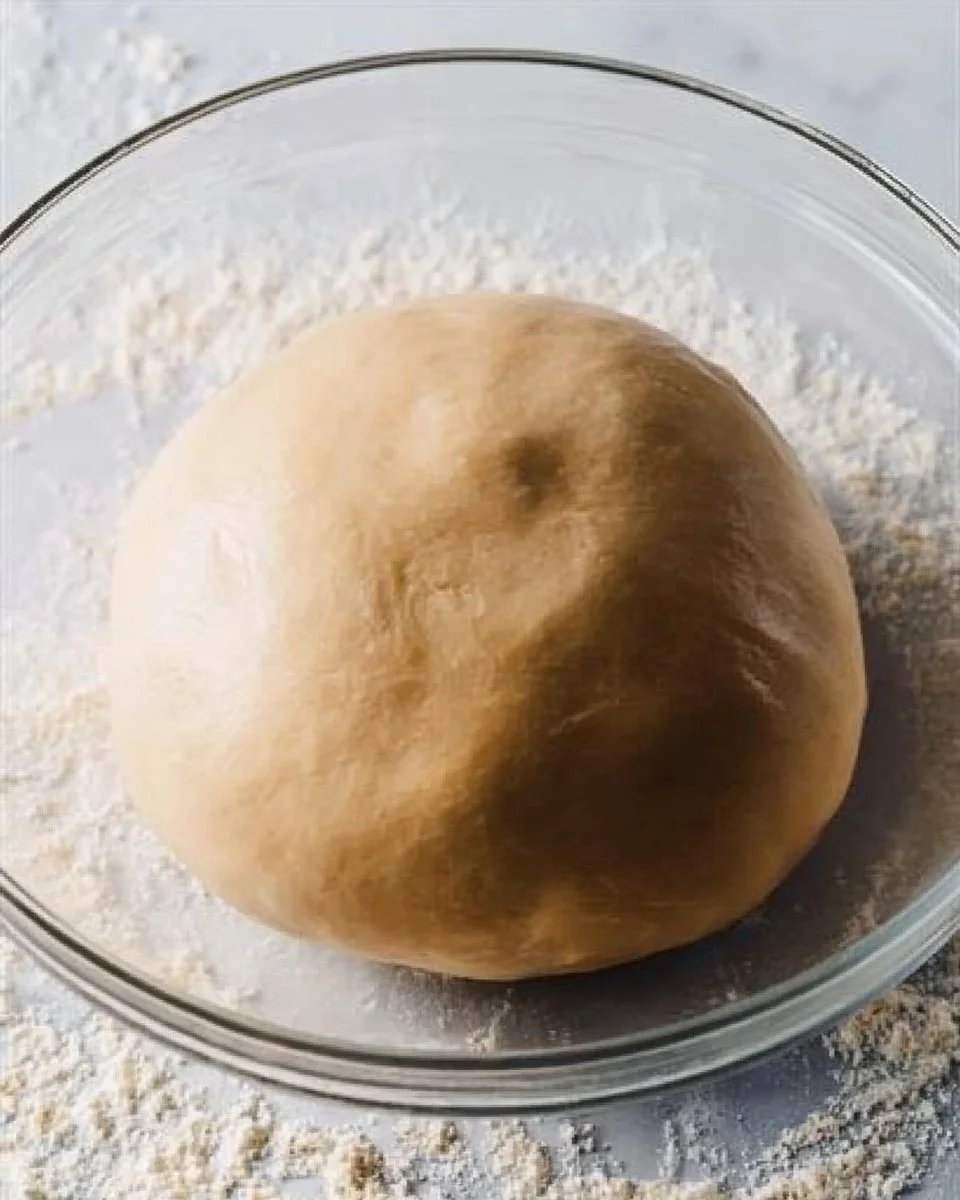
STEP 6. Check the texture. The dough should turn smooth with slight dimples when you’re done kneading.
STEP 7. Let it rise. Lightly grease the dough ball with oil and place it in a bowl. Cover it with plastic wrap or a kitchen towel and let it sit for at least 1 hour in a warm area until it doubles in size.
STEP 8. Punch down. After rising, punch down the dough and fold it over itself.
STEP 9. Divide the dough. Split the dough into two balls, perfect for making two 10-inch pizzas.
STEP 10. Shape the dough. On a floured surface, shape one ball into a circular shape, rolling it out with a well-floured rolling pin to 10 inches in diameter.
STEP 11. Create a crust. Lift the edges to form a raised rim, creating a crust that will hold your favorite toppings.
STEP 12. Use as desired. Use the prepared dough for your favorite pizza recipe, then bake and enjoy!
Pro Tips
To achieve the best results with your pizza dough, ensure your water is at the ideal temperature. Too hot can kill the yeast, while too cold may prevent it from activating properly. Allowing the dough to rise longer, up to three hours or even overnight, can deepen the flavor significantly.
If you’re in a hurry, using instant yeast will also speed up preparation time without compromising texture. Make sure to knead the dough sufficiently to develop gluten, which is crucial for a chewy crust. If the dough feels too sticky, resist adding too much flour; a small amount will suffice, allowing you to reach the right stickiness.
Lastly, have fun experimenting with different flours, such as bread flour or whole wheat, to give it unique flavors and textures. Always remember that practice makes perfect; each batch will be a step towards mastering homemade pizza dough.
Common Mistakes to Avoid
One common mistake is not allowing the dough enough time to rise. Rushing this step can lead to dense pizza crust. Also, avoid using overly hot water when activating the yeast, as it can harm the yeast and prevent proper rising.
Kneading for an insufficient time can lead to a crumbly texture, while over-kneading may create a tough dough. Use fresh yeast to ensure the dough rises successfully; expired yeast can ruin the whole process.
Finally, be careful when adding flour during kneading. Too much flour can make the dough dry and less enjoyable, while too little can make it sticky and hard to work with. Trust the texture; you want it to be smooth and slightly tacky when finished.
Variations
• Use whole wheat flour for a healthier option.
• Add herbs like oregano or basil to enhance flavor.
• Experiment with different oils, such as avocado or flaxseed oil.
• Incorporate nutritional yeast for a cheesy flavor without dairy.
• Try adding shredded cheese into the dough for extra cheesiness.
Serving Ideas
Homemade pizza is incredibly versatile. Consider classic cheese and pepperoni, a colorful veggie garden pizza, or a dessert pizza topped with Nutella and fresh strawberries for a sweet twist. You can also create personal-sized pizzas for each family member, allowing everyone to customize their toppings.
Serve your pizza with a fresh side salad or garlic bread for a complete meal. Pair with dipping sauces like ranch or marinara for an additional layer of flavor and delight your guests with a pizza party style setup.
Meal Prep & Storage
This pizza dough is perfect for meal prep. You can prepare it in advance and store it in the fridge for up to five days, or freeze it for months. To freeze, just wrap the dough tightly in plastic wrap and place it in an airtight container. When you’re ready to use it, thaw the dough overnight in the fridge before rolling it out and shaping it as desired.
If you’ve prepared a batch and used only part of it, the remaining dough can be stored in the fridge, allowing for quick and easy pizza nights whenever the craving strikes. Just remember to allow it to come to room temperature before shaping for the best results.

FAQs
Can I use all-purpose flour instead of bread flour?
Yes, all-purpose flour is perfect for this recipe, but bread flour will yield an even chewier crust due to its higher protein content.
How can I tell when the dough has risen enough?
The dough should double in size and feel light and airy when ready. You can also poke it gently; it should hold its shape without deflating too quickly.
Is it necessary to add sugar?
Sugar aids in caramelization and browning during baking, but you can omit it if you prefer a less sweet crust.
Can I make gluten-free pizza dough?
Yes, you can substitute gluten-free flour blends designed for bread to create a gluten-free pizza dough.
What temperature should I bake my pizza dough?
For a crispy crust, preheat your oven to a high temperature, around 475°F to 500°F, and ensure your pizza stone or baking sheet is also hot before adding your pizza.
How long should I let the pizza dough rise in the fridge?
You can let it rise overnight in the fridge for enhanced flavor development, or store it for up to five days before using.
Conclusion
Creating homemade pizza dough is a rewarding and enjoyable process that transforms your pizza nights into a delightful culinary adventure. With its simplicity and versatility, this recipe will soon become a cherished part of your cooking repertoire. Enjoy the satisfaction of serving up delicious, fresh slices to your loved ones and the joy that comes from sharing a meal together. Now, gather your favorite toppings and let the pizza creativity begin!
Homemade Pizza Dough
Ingredients
Dough Ingredients
- 2 teaspoons instant yeast Essential for helping the dough rise quickly.
- 1 cup warm water Activates the yeast and brings the dough together.
- 3 cups all-purpose flour Forms the structure and body of the dough.
- 1 tablespoon granulated sugar Adds sweetness and enhances yeast's effectiveness.
- 1 teaspoon sea salt Balances flavor and strengthens gluten.
- 1 teaspoon garlic powder Optional addition for enhanced flavor.
- 2 tablespoons olive oil Adds moisture and richness to the dough.
Instructions
Preparation
- In a bowl, combine the flour, sugar, yeast, garlic powder, and salt, whisking together until well mixed.
- Form a well in the center of the flour mixture to prepare for the liquids.
- Slowly pour the warm water and olive oil into the well, then mix with a spatula until just incorporated.
- Flour a clean surface and add the shaggy dough. Flour your hands and fold the dough together to start kneading for about 8-10 minutes.
- Gradually add up to an additional ⅓ cup of flour as you knead to make it manageable.
- The dough should turn smooth with slight dimples when you’re done kneading.
- Lightly grease the dough ball with oil and place it in a bowl. Cover it with plastic wrap or a kitchen towel and let it sit for at least 1 hour in a warm area until it doubles in size.
- After rising, punch down the dough and fold it over itself.
- Split the dough into two balls, perfect for making two 10-inch pizzas.
- On a floured surface, shape one ball into a circular shape, rolling it out with a well-floured rolling pin to 10 inches in diameter.
- Lift the edges to form a raised rim, creating a crust that will hold your favorite toppings.
- Use the prepared dough for your favorite pizza recipe, then bake and enjoy!